Rainbow Six Mobile's shutdown, Minecraft Blast's next steps and AI's risks for games | Week in Views

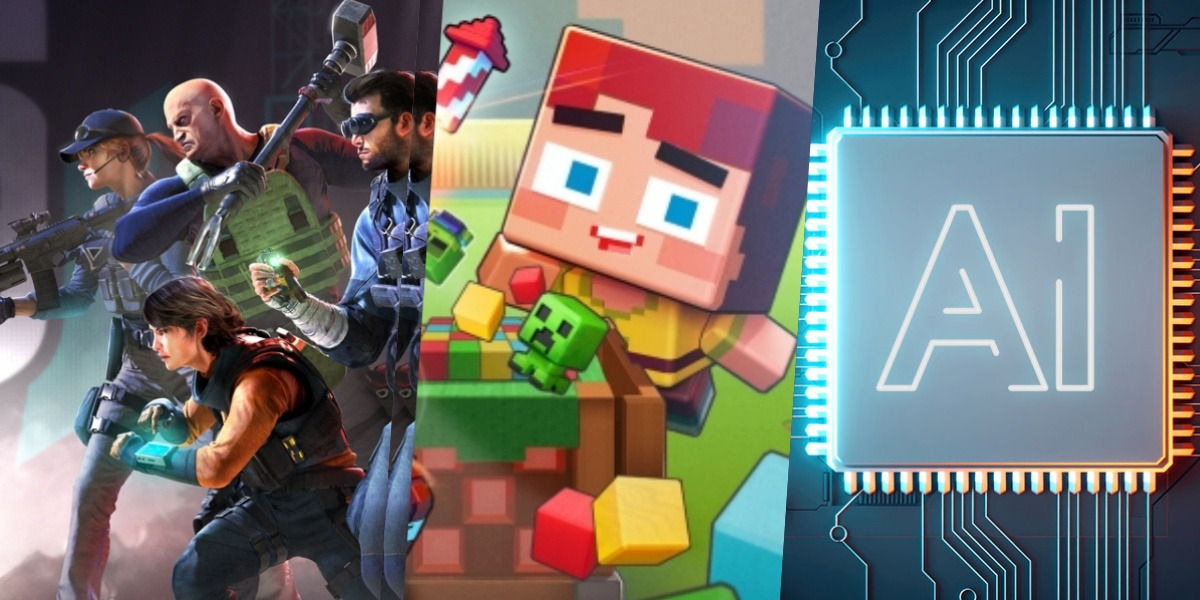
The games industry moves quickly and while stories may come and go there are some that we just can't let go of…
So, to give those particularly thorny topics a further going over we've created a weekly digest where the members of the PocketGamer.biz team share their thoughts and go that little bit deeper on some of the more interesting things that have happened in mobile gaming in the past week.

Paige Cook
Rainbow Six Mobile to shut down in January 2027
Rainbow Six Mobile is shutting down in January, less than a year after its global launch. It’s a shame, especially given how long Ubisoft has been trying to get this right.
It was a project that really went through it. After entering soft launch in 2023, the game went into a hiatus in 2024 for improvements, then returned with major reworks and several testing phases before finally launching worldwide in February 2026.
Despite all that work, Ubisoft has now decided to pull the plug. The game generated almost $1.6 million globally in its first two weeks, but early momentum slowed and it's another reminder that bringing a major franchise to mobile doesn't guarantee success.

Rainbow Six already had an established audience, but translating that appeal into a sustainable mobile game is a whole different thing.
You still have to ask: does that fanbase want this? And if they don't, is there enough of a new audience out there? Bearing in mind there’s already tough competition in the mobile shooter genre.
It is a shame to see it close, but it seems Ubisoft felt they had exhausted all options.

Aaron Astle
Minecraft Blast testing phase expands: developing for new and lapsed fans
A few weeks ago, I had the opportunity to return to King’s London headquarters with one specific focus: getting the scoop on Minecraft Blast.
Ahead of its first playtest in the West, I got a taste of the gameplay and its core elements, playing around with the board and its elements like potions, fireworks and End Crystals. Completing blast-style puzzles netted me energy to spend building up a Minecraft-style world, developing a house, balcony and more to make a little companion character feel more at home - and keep him safe from the creepers.
The puzzle game has just returned to Malaysia for its second playtest and is soon to expand to Canada and Australia. King's Gavin Lammin explained that the title is still in its "early, early days" and players who miss a weeks-long window of availability won't be able to download it. This test is about validating player engagement, getting some early learnings on how monetisation is received, and product market fit.

He also shared details on Minecraft Blast's development, already three years on from initial conversations with Mojang Studios. The company had been wanting to make a mobile game for some time, and Mojang's Magnus Nedfors suggested the acquisition by Microsoft helped make this possible.
"The acquisition took quite some time for various reasons, but when it was about to come through, it was like: the day that goes through we want to talk to King. I also know that some people at King were interested in collaboration as well, so we kicked off kind of the first day we could," he said.

Mariam Ahmad
In the Hot Seat: Ex-Take-Two AI chief Luke Dicken on the $2tn bubble, junior jobs and the next 2008
Most AI conversations we have in the games industry usually go one of two ways. Someone tells you it’s going to change everything, or someone tells you it’s going to ruin everything. My chat with Dr Luke Dicken this week did neither, which is probably why I’m still thinking about it.
Dicken has spent a decade building Zynga’s applied AI group and ran AI at Take-Two until April. He’s spent his career arguing for AI in games, yet he’s now one of the most sceptical voices I’ve spoken to.
One of the things that stuck with me from our conversations was about hiring juniors, or the lack thereof, due to the proliferation of AI. If AI is being used as a reason to stop hiring entry-level staff, it might look good for earnings. But the games industry is about to face its first real retirement wave and nobody seems to be asking who replaces those people in 10 years’ time.

Then there’s his advice to studios that haven’t jumped in yet: stay on the sidelines. In a year where there seems to be an incessant need for the word “AI” everywhere, it is a bold claim to make on record. His reasoning is that tooling will settle into standards, as 3D tools did, and the studios chasing productivity gains now are “running on a treadmill”.
I don’t know if he’s right. He doesn’t claim to either. But his warning about building pipelines on cheap, subsidised AI and then getting caught out when prices rise feels like something every studio should at least be planning for.
I walked away from this one equal parts fascinated and a little bit scared, which, by his own measure, is the correct feeling about the whole thing.
Companies