Tebex's Adam Cavanagh on D2C and studio sustainability

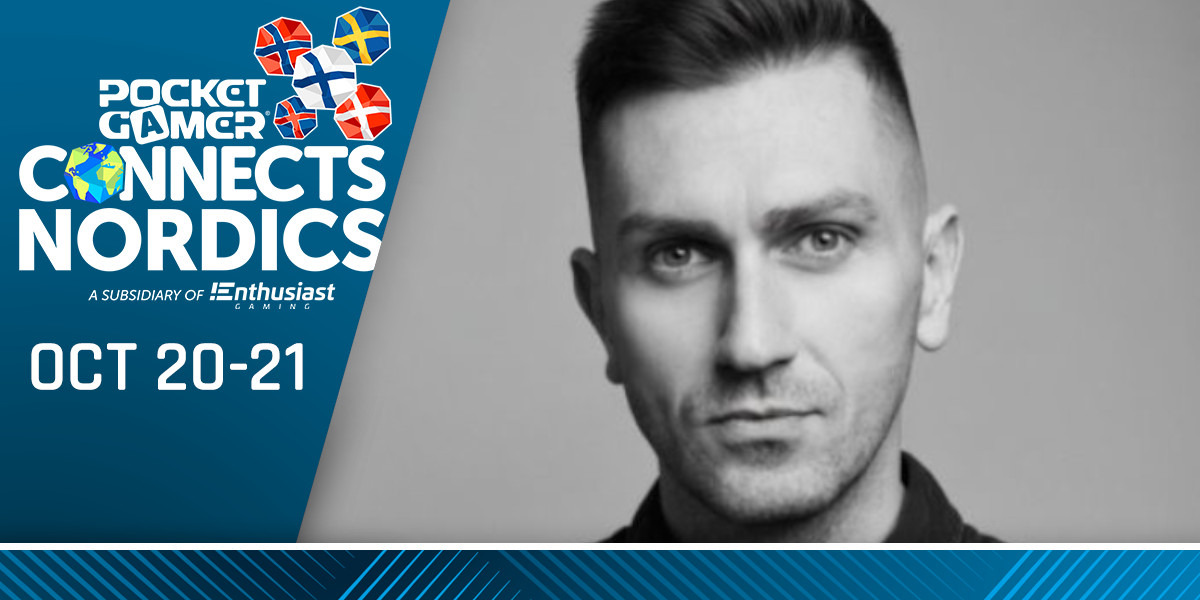
- PG Connects Nordics takes place in Helsinki on October 20th and 21st.
- Cavanagh will break down the numbers behind D2C strategies and how studios can choose the right partner.
Pocket Gamer Connects Nordics in Helsinki is just around the corner, taking place October 20th and 21st and bringing together more than 150 expert speakers to discuss the games industry.
One speaker taking to the stage is Adam Cavanagh, head of commercial at Tebex Studios, who leads go-to-market strategy across studios of various sizes.
At PG Connects Nordics, he will explore the numbers behind D2C, share best practices, and explain how studios can choose partners that support their budget and long-term goals.
PocketGamer.biz: Please give us a summary of what you’re speaking about and why it’s important.
Adam Cavanagh: We've all watched friends and colleagues feel the impact of gaming's funding downturn. Budgets are tight, exits are slow, and every studio is asking the same question: how long can this run?
D2C is part of the answer, but only if you understand your channel down to the number. That's why I'm giving this talk. If we get this right, we can support our gaming ecosystem sustainably, and keep great studios and the people behind them in the game.
I'll break down the real numbers behind a D2C strategy, share best practices, and show how to choose a partner that enables your studio rather than drains your budget. Transparency is the key to longevity, and to greater control over your studio's success.
If you could give other mobile games companies one piece of advice, what would it be?
Let the data run your live ops, and make live ops the heart of your game - Your players are telling you everything: what they value, where they drop off, what they'll pay for and why. Studios that treat that data as a daily input, not a quarterly report, build live ops experiences that feel personal, timely and worth coming back to. Those are the games that retain players, grow lifetime value and stay funded long enough to thrive
Where are the next big opportunities in the mobile games market?
Emerging markets. Access has never been more attainable, and for many studios it could be a defining moment.
Smartphone penetration is rising, connectivity is improving, and local payment methods are making it far easier to reach players who were previously out of reach. Regions across Southeast Asia, Latin America, the Middle East, Africa and India are home to huge, engaged audiences that have long been underserved.
What is your biggest aspiration/goal in mobile gaming?
Transparency. I want an industry that works honestly and supports one another, where studios, partners and platforms share the numbers openly and everyone can see what they're really earning.
Gaming is at its strongest when many ideas thrive, not when a few conglomerates hold all the power. Greater power comes from working together: independent studios with the information and control to make confident decisions, and partners who earn their place by enabling studios rather than extracting from them.
If we get transparency right, more studios survive, more creative ideas reach players, and the whole ecosystem is healthier for it.
What company do you most admire in the mobile games world?
Rather than a single company, it's the passion across the whole industry. I've never worked in a sector where people care so deeply about what they're creating and how it affects the people who play it. Studios of every size, from a handful of indie developers to global teams, pour themselves into building experiences that bring people together, create communities and mean something to players.
What is the single biggest challenge facing the mobile games industry today?
Funding. Capital is sparse and scrutinised more closely than ever, and studios are being asked to prove not just that a game can launch, but that it can last.
That makes an end-to-end strategy for the game's lifecycle essential. The studios that thrive will think in terms of a flywheel: great live ops and a strong D2C channel deepen player relationships, those players spend and stay longer, and the revenue is predictable and more profitable. That in turn funds new content, and eventually new games, which bring new players back into the loop. Each turn of the wheel makes the next one easier.
Without that joined-up thinking, every launch is a fresh bet on scarce capital. With it, studios build momentum they control.
Companies

People

Events
