Warner Bros. Games on building a long-term future for Game of Thrones: Dragonfire


- Bates says “while the game is House of the Dragon-forward at launch, it has the potential to expand into the broader Game of Thrones world".
- Player progression has exceeded the team’s expectations, creating new challenges around pacing and balance.
- Dragonfire uses Campaigns to let players explore different outcomes from the Targaryen succession crisis rather than simply retelling the series.
Warner Bros. Games launched Game of Thrones: Dragonfire globally in June, bringing its House of the Dragon-inspired strategy game to iOS and Android shortly before the third season of HBO’s series began.
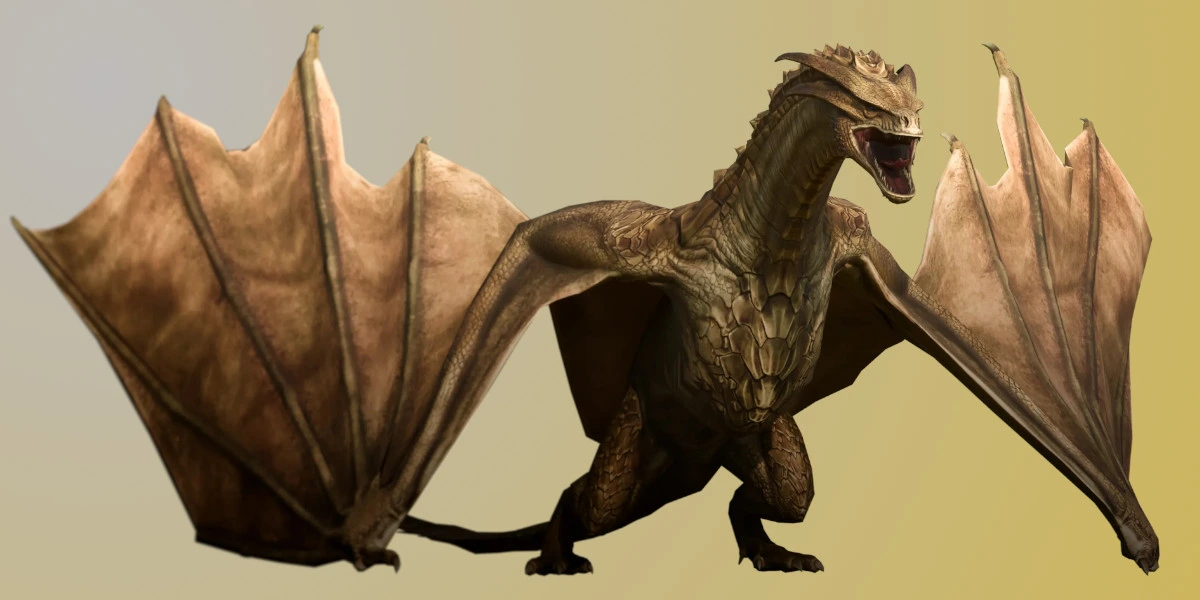
The title puts players in the role of a dragonrider during the Targaryen civil war, combining territory-based strategy and social gameplay with characters, dragons and events from the wider House of the Dragon world.
This of course isn't the first Game of Thrones title we’ve seen in the mobile market. Dragonfire joins titles including Game of Thrones: Conquest, Game of Thrones: Legends and Game of Thrones Slots, with Warner Bros. Games taking proceedings back to the strategy realm in a time period centred around the Targaryen conflict.
The move is perhaps a play to rekindle the 4X strategy success of Conquest, by far the most successful GoT title on mobile to date.
Warner Bros. Games has used the show’s third season as a source of live content, introducing new dragons and limited-time experiences alongside the episodes. AppMagic estimates that Dragonfire has generated more than $23 million in gross player spending since launch.
With season three now concluded, we spoke to Natasha Bates, director of design at Warner Bros. Games, about building around the show, what the team has learned from its players and how Dragonfire can develop beyond the current storyline we see in the show.
House of the Dragon on mobile
The game's connection to House of the Dragon is meant to complement its long-term progression rather than define the whole experience.
“Every player is on their own journey as a noble dragonrider in Westeros, and because players can spend months or years in Game of Thrones: Dragonfire, the core game draws on story elements from across the broader world of House of the Dragon,” Bates says.
That means the show can provide new content without Dragonfire simply following its plot point by point.
“When a new season airs, we create companion content with special limited-time experiences, no matter where they are on their journey.”Natasha Bates
“When a new season airs, we create companion content with special limited-time experiences, no matter where they are on their journey,” explains Bates.
This lets the team use the TV series as a live-service content beat while keeping those additions accessible to players at different stages of progression.
Season three of the show also allowed Warner Bros. Games to launch the game alongside a major moment for the wider franchise. Bates describes the combination of the game’s launch and the latest season as a “successful transmedia event”, giving fans another way to engage with Westeros while the show was airing.
Keeping players engaged beyond the show
The challenge for a game built around an ongoing TV show is what happens between seasons. For Dragonfire, the answer isn't simply to keep adding show content, but to make sure players have an ongoing source of conflict.
“While the bonus content is extra fun and aligns with an exciting cultural moment for the franchise, in the daily gameplay experience it’s the players themselves who are the story,” Bates says.
The game’s social strategy systems are central to that approach, with players forming alliances and competing against rivals within their own server.

“They coordinate with their allies, plot against their enemies and become infamous in their unique world.”
That player-driven conflict also feeds into the game’s narrative systems, allowing the development team to move beyond simply recreating events from the show.
“One way is through our dynamic storytelling systems that respond to the outcomes of players’ competitive gameplay on the map over the course of a campaign,” Bates says.
“They coordinate with their allies, plot against their enemies, and become infamous in their unique world.”Natasha Bates
She goes on to explain how those systems can create different outcomes around the Targaryen succession crisis, depending on what happens during a campaign, giving players an alternative to simply replaying the events they have already seen on screen.
“Another is our cast of original characters that allows us to introduce new twists and surprises as they revolve around the player’s personal journey as a noble dragonrider with rising influence in the realm.”
For Warner Bros. Games, that mix of established lore and player-driven outcomes is meant to give Dragonfire room to evolve without becoming a linear retelling of House of the Dragon.
Finding a place in the marketing and balancing the IP
This approach also helps distinguish Dragonfire from other Game of Thrones titles already available on mobile. While the franchise already has an established presence, those titles have taken different approaches to the IP.
For Bates, Dragonfire is intended to function as a persistent world rather than simply applying the franchise to an existing set of mobile mechanics.
“It balances the bite-sized gameplay that players expect from mobile games against strategic depth and authentic story interactions.”Natasha Bates
“Dragonfire uniquely gives players an immersive but pocket-sized Westeros experience. It is more than themed game mechanics; it is a virtual world where players can spend time. It balances the bite-sized gameplay that players expect from mobile games against strategic depth and authentic story interactions with favourite show characters.”
Building a game around an established franchise is another challenge and creates constraints that other titles may not need to tackle. Dragonfire needs to remain recognisable to fans while making design decisions based on what works within a live service strategy game.
“We see ourselves as faithful shepherds of the brand and canon, so we do plenty of internal reviews through this lens and communicate with our brand partners for guidance and input when needed.”
That extends to the game's use of established characters, with the team considering how those characters would realistically interact with the player rather than simply using them as recognisable faces from the show.
“Finding the right way to deliver on both the gameplay and the fantasy of the IP is a challenge we work through every day.”Natasha Bates
Another key consideration is translating elements of a TV series into game systems. Not everything from the source material can be directly replicated, meaning the team has to decide how closely an element needs to remain to the IP.
“We also need to deliver novel experiences for players and support the right game mechanics, so it can be tricky to balance and decide when to find a good-fit metaphor for something and when to lean into a more abstract game-focused approach. Finding the right way to deliver on both the gameplay and the fantasy of the IP is a challenge we work through every day."
Future outlook
Since launch, the development team has also had to adjust expectations around how quickly players can progress through Dragonfire.
“I think one thing we have learned is that players will always surprise you with how much they can play and how far they can get, levelling up their power far beyond your expectations and estimations.”
That has shaped how the team approaches the game’s systems and pacing, making sure it stays fair and fun.
“The development team plays the game often as well so that we can immerse ourselves in the player experience and better understand the feedback and suggestions that we receive.”
With House of the Dragon expected to conclude with its fourth season, the longer-term question is where Dragonfire goes once the show is no longer providing a regular stream of material.
“We're thinking about the future of Game of Thrones: Dragonfire in a few different ways because there are many places where we can take players.”Natasha Bates
“We're thinking about the future of Game of Thrones: Dragonfire in a few different ways because there are many places where we can take players,” she says. “While the game is House of the Dragon-forward at launch, it has the potential to expand into the broader Game of Thrones world.”
The campaign structure gives the team another way to build for the future, allowing players to revisit moments from the story in different ways, which is particularly important for a game intended to operate as a live service.
“Players exploring their impact on the Targaryen conflict is part of their story and gameplay experience and not simply a linear retelling of the series’ story, which would not provide the longevity that a live service social strategy game needs.”
Looking ahead, the team is planning a mixture of changes to existing systems, new features and further story content.
“The team is very ambitious. They strive to deliver new gameplay expansions and creative experiences all the time.”
Bates notes that this will include both ongoing tuning and larger additions.
“Players can expect enhancements and tuning of existing gameplay, major expansions of new features and activities, and fresh stories that change the lens of their life in Westeros.”
Companies


People