Esports World Cup CGO: "Mobile has arguably the biggest ceiling when it comes to both gaming and esports"

- Mobile is not a sideshow at EWC. Scheuermann frames it as the highest-ceiling segment in all of esports.
- EWC selects titles on three pillars: viewership and attendance, ecosystem depth, and publisher investment.
- StarCraft 2 is out of EWC 2026.
- The Road to EWC program, not prize money alone, is how EWC claims to grow grassroots.
Mobile esports no longer needs defending. EWC 2025 drew record viewership and attendance as mobile titles now sit alongside legacy PC franchises. The Road to EWC program is pulling players from regions that competitive esports has largely ignored.
We speak with Esports Foundation chief games officer Fabian Scheuermann about what actually gets a game onto the EWC roster, why mobile has a commercial edge that PC and console cannot replicate, and what the exit of StarCraft 2 from this year's lineup says about how the organisation makes hard calls.
You can learn more about the latest industry trends and at our upcoming Pocket Gamer Connects events, such as PGC Barcelona on June 15th and 16th.
PocketGamer.biz: Mobile titles now sit alongside PC and console games at the Esports World Cup. What changed to make mobile esports central rather than supplementary?
Fabian Scheuermann: Mobile has arguably the biggest ceiling when it comes to both gaming and esports. The majority of gamers around the world play on mobile and mobile esports is strengthened by an incredibly deep player pool thanks to its low barrier to entry.
It’s never been supplementary, especially now, given its amazing growth in different regions around the world. We’re seeing high audience demand and stronger support from publishers across mobile esports, and we’re excited to see all those metrics continue to grow over time.
So what indicators tell you that a mobile esports title is commercially sustainable? And what revenue streams are currently supported beyond sponsorship and media rights?
A healthy player base for the game itself is always the strongest indicator and that’s typically the result of rewarding and engaging gameplay, and a commitment by the developers to keeping the game fresh through updates and new content.
Beyond sponsorship and media rights, mobile has an edge that PC and console can't replicate: the spectator and the player are often the same person on the same device.
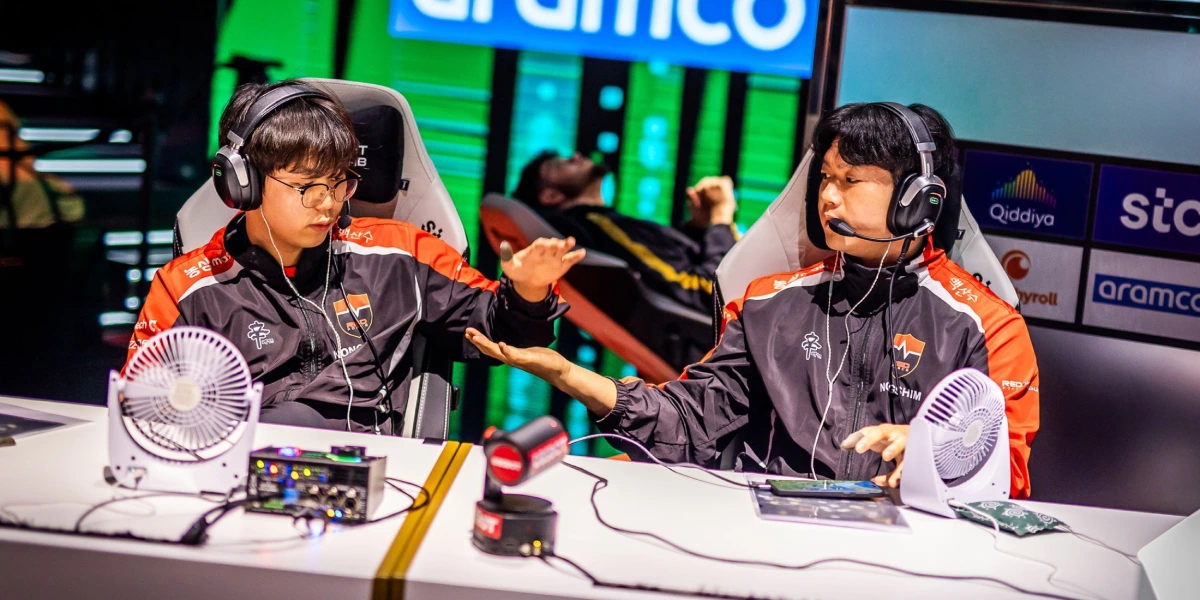
Someone watching a Mobile Legends final is already inside the ecosystem; one tap and they're downloading the game, in a match or in the shop. The titles that prove sustainable long-term are the ones whose publishers are building around that.
Talk to us about the wider roster. How do you decide which titles make the list each year, particularly when balancing legacy franchises with newer or mobile-first games?
When deciding which games make up the lineup at the EWC, we prioritise three main factors: the game’s performance, its existing ecosystem and publisher support. A game’s “performance” is graded by its viewership and attendance figures.
For the ecosystem, we look at how long the game has been around, the number of teams participating every year and the scale of its first and third-party tournaments in key markets.
“Mobile has an edge that PC and console can't replicate.”Fabian Scheuermann
Finally, we look at how strong the publisher's support and investment into esports is and how strong our partnership with them can be. There isn’t a formal tier system for these factors; no single factor is more important than another. But we do recognise that each game has different audiences, formats, experiences and legacies.
Some games naturally fit into the EWC ecosystem due to their stature or the global scale, while others offer great potential or serve specific markets with their own passionate communities. We’re proud to enable a wide range of titles to be competed in on stage and we always evaluate the full lineup of titles each year.
StarCraft 2 has a long history in competitive esports. Can you clarify whether it is part of this year’s lineup? Also, why are there no real-time strategy games included in this year’s EWC?
StarCraft 2 will not be a part of the Club Championship at EWC 2026. While we could have it on the Club Championship stage again, we must always evaluate all titles on the three primary factors mentioned earlier. With its current lineup, EWC offers something for every player, every fan and every community.
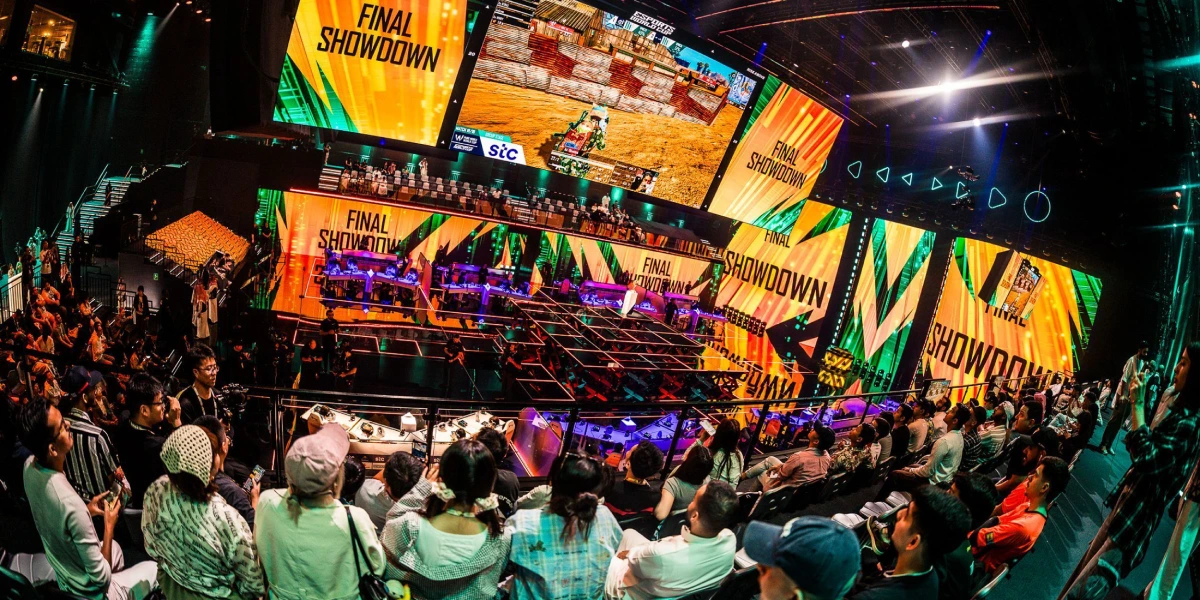
Every genre is covered in some form: shooters, MOBAs, battle royales, fighting games, strategy, racing and Chess. Again, we are always looking to evaluate the lineup of titles each year, so though there is no given title this year, there may be in the future. We hope fans will enjoy the titles in the strategy genre and those adjacent to it that are featured in EWC this year.
Prize money tends to reward the elite level. What is EWC doing to ensure its spending on mobile esports also builds the grassroots scene in markets where most people compete on mobile?
The Road to EWC program is how we engage with the entire scene. Publisher-led circuits, tournaments, and grassroots events build the foundation of that pathway to EWC, which will see thousands of individual players around the world take part in.
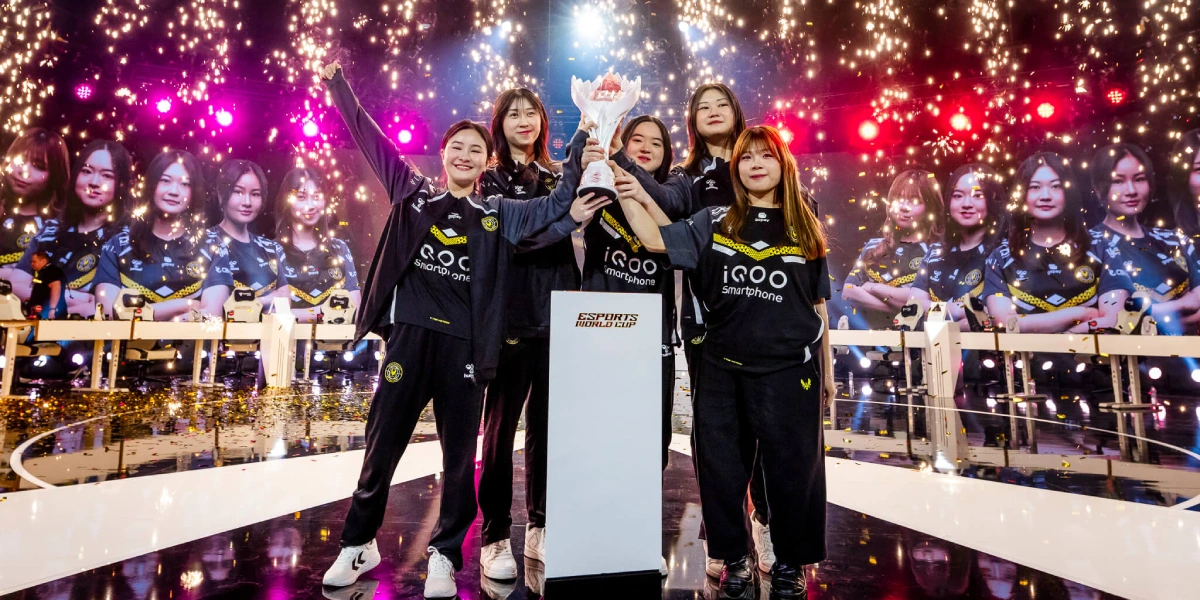
Region-specific leagues and tournaments play a huge role in that, and in mobile esports specifically, regions with strong mobile playerbases are a major focal point.
Beyond hosting world-class tournaments, what steps are being taken to ensure the mobile competitions also strengthen local participation and fan engagement in MENA?
The MENA region has a very young population that is playing a lot of video games, especially on mobile. Building the infrastructure to grow and develop esports and gaming is a part of Saudi Arabia’s Vision 2030 plans, and that will be important to helping the talent here and around the region succeed and thrive.
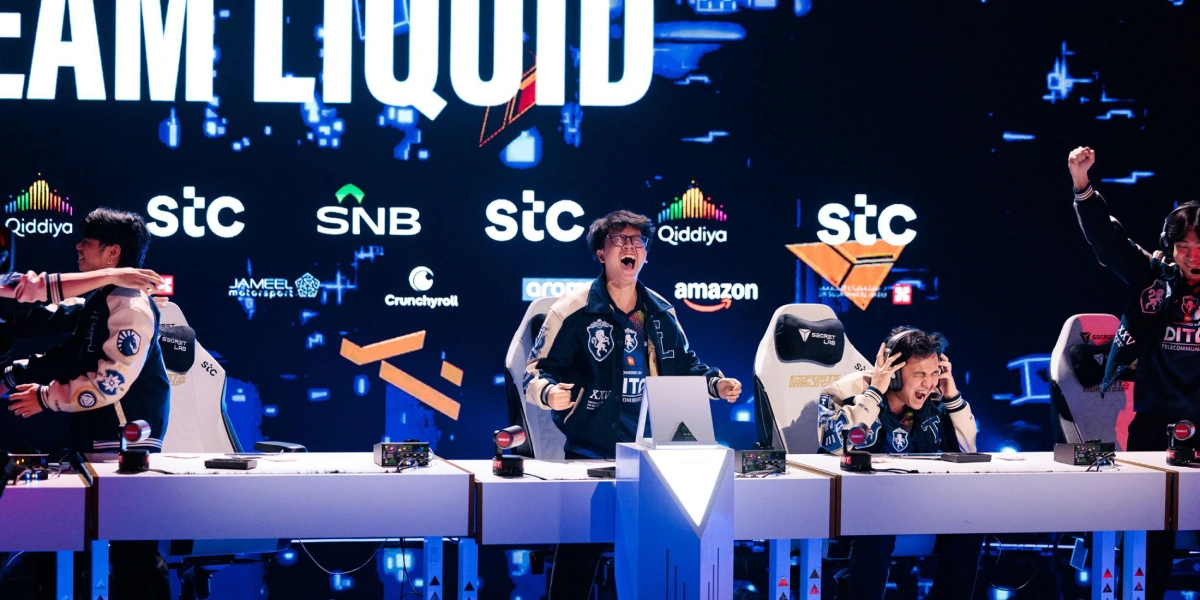
Across the mobile titles that will be at EWC this year, MENA qualifiers or partnered leagues are built into the qualification pathways, with dozens of MENA clubs and players actively competing, reflecting the region’s strength and giving MENA fans the opportunity to root for their teams no matter what mobile title they play.
With this year’s EWC moving to Paris, France, gives the MENA region an opportunity to showcase its passionate fanbase and growing playerbase in front of a new international audience.
Much of the current ecosystem is heavily supported by Saudi investment. What concrete initiatives or partnership structures are being developed to ensure the long-term sustainability of esports beyond reliance on Saudi funding?
Through initiatives like the Club Championship prize pool and the Club Partner Program, we are creating opportunities for expansion and providing incentives to invest in long-term growth. These opportunities give clubs the confidence to expand into new titles and new markets, which in turn increases their brand power and total audience reach.
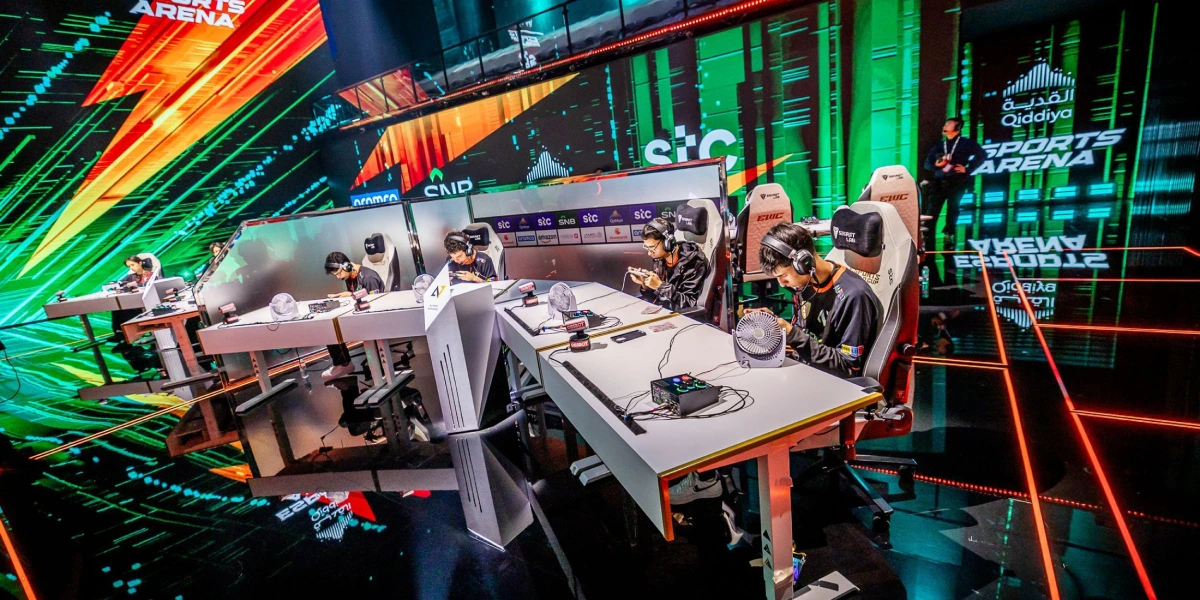
Outside of supporting the clubs, the EWC offers massive career opportunities for the players themselves by giving them the chance to show their skills and share their personalities on a global stage, and potentially compete for a life-changing amount of money through the prize pool system.
Finally, the EWC strengthens the games and the publishers who make them via a complementary tournament that enhances the calendar and ecosystems that already exist.
With significant funding already deployed, what signals are you looking for to determine whether the ecosystem is becoming self-sustaining rather than subsidy-dependent?
We feel that the long-term investment and global excitement around the EWC will help support the stability and sustainability of the esports industry. The EWC has emerged as a pivotal player in the growth and development of esports, helping to elevate individual titles and provide stability and opportunities to clubs and players.
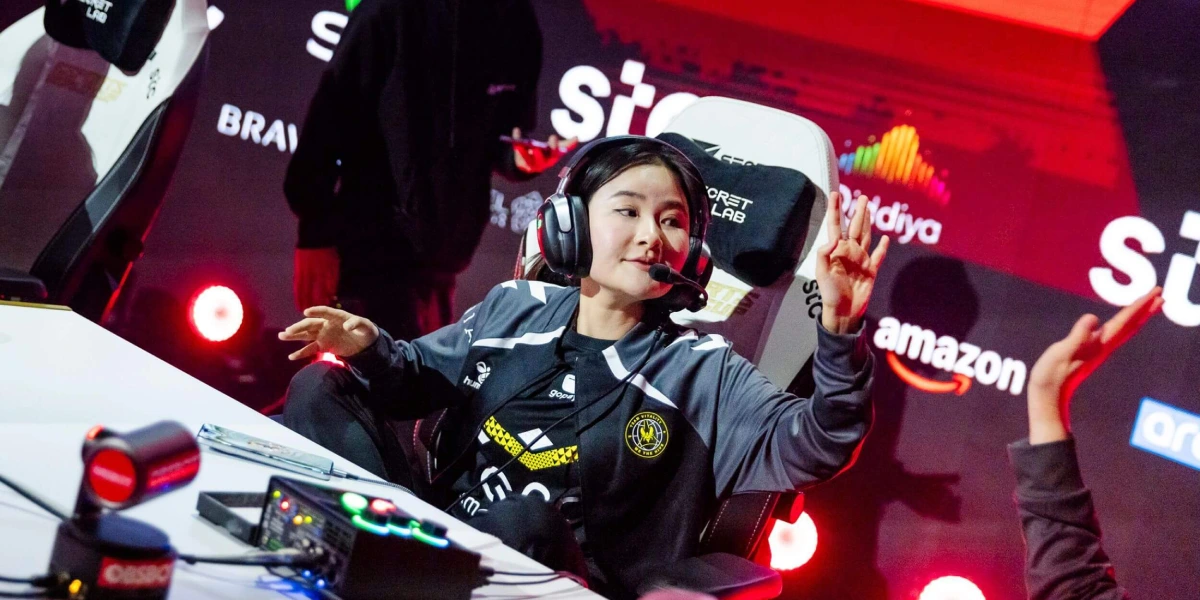
We’ve seen some incredible growth across several key metrics: viewership, in-person attendance, number of competitors, club entry into new titles and publisher investment into esports. These are all excellent signs so far.
Talk to us about the Esports Nations Cup. How does participation in that competition translate into pathways or opportunities within the main World Cup structure?
The ENC offers an unprecedented number of opportunities to players around the world. Right now, in esports, only a handful of countries are very well represented around the top tier of esports. It will give underrepresented nations the chance to be on a grand stage and the opportunity to build and develop a national esports program or a stronger grassroots system.
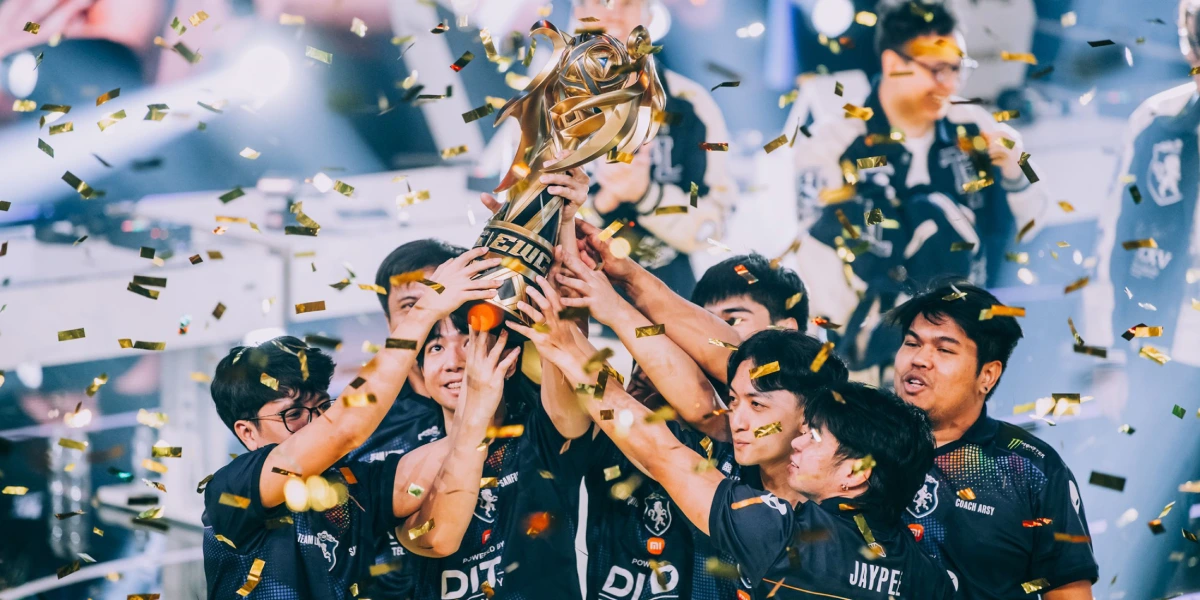
The players themselves have the greatest opportunity to showcase what their nation is capable of on the biggest platform possible and to prove to clubs that they have what it takes to compete at the highest level.
Over time, ENC creates real national pathways for players, coaches, and infrastructure so that representing your country in esports becomes a structured opportunity, not an exception.
What does success for a mobile esports title look like beyond viewership numbers?
Viewership and the metric ecosystem underneath it need to work together. Real success is defined through many factors.
If competitive play is driving retention, if tournament moments are converting spectators into active players, and whether the publisher is reinvesting in the scene year-on-year - these are vital for an esports' health, mobile or otherwise.
Image credits: Esports World Cup Foundation.
Companies

People