What Monopoly Go can teach developers about building lasting player communities

- Social features work best when they give players a reason to interact with one another.
- Small interactions such as trading stickers and contributing to events can help build lasting connections.
- Friendly competition can strengthen connections when they are built into a shared gameplay experience.
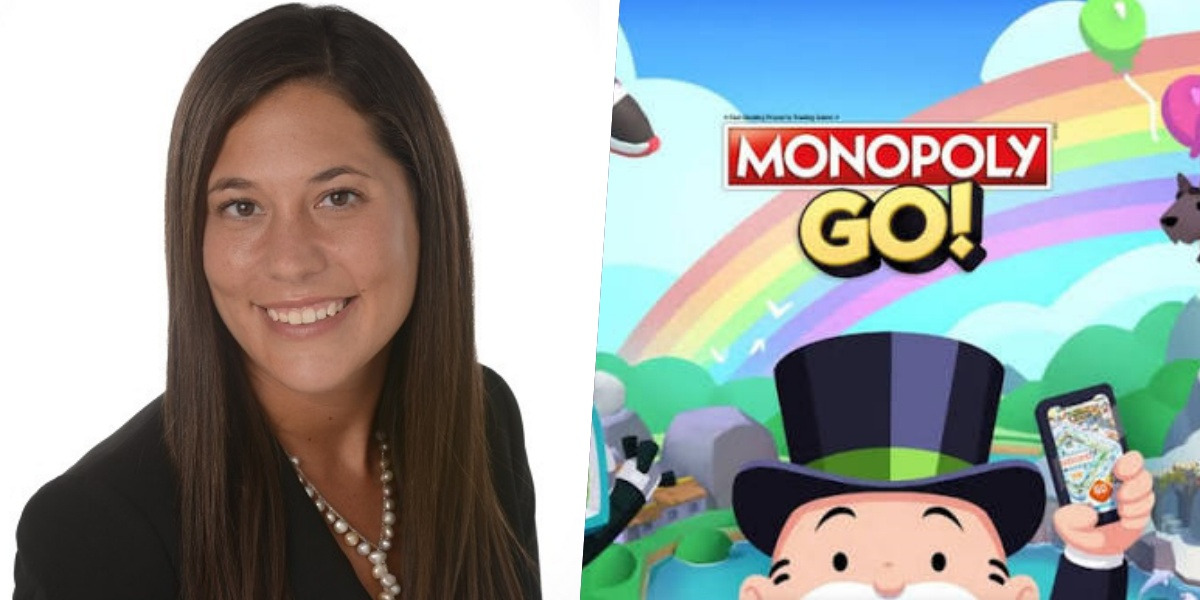
Beth Nations is VP of product at Scopely.
For years, many digital experiences have followed a similar rhythm. People open an app, scroll, react and move on. They may be surrounded by content from friends and creators without really engaging with any of it.
In games, we need to act and interact, whether with elements on screen or with fellow players. For a game to find an audience and keep it, it needs to create a sense of connection.
These connections can come from completing a goal together, exchanging a resource, strategising around an event, or competing in a way that is enjoyable for all players. The interaction is not separate from the experience. It is a core part of the gameplay.
Since launching Monopoly Go, we’ve watched a large community grow around those kinds of interactions. Players trade stickers, team up during live events, celebrate each other’s progress, and even face off in some friendly sabotage. Many of them describe the game as part of a meaningful ritual with friends, relatives, coworkers, and partners.
One thing is consistent among the players who engage most with the game: they play with friends.
One thing is consistent among the players who engage most with the game: they play with friends. Engagement is notably stronger when a player has five or more friends who actively play. That is because the magic of Monopoly Go is not just collecting, building, or competing, it is sharing those moments with other people.
The experience reinforced an important design principle for us.
Community features matter most when they create reasons for players to participate in one another’s progress.
Here are several lessons we learned while designing for this kind of participation.
1. Social interaction needs a gameplay purpose
Adding a communication channel does not automatically make a game social.
Chat, messaging, and friends lists can support a community, but players need a reason to use those tools.
In Monopoly Go, sticker trading is one example. Players work to complete collectible albums, but they cannot always acquire every sticker on their own. Duplicates become useful because they can be exchanged with other players.
That structure creates several overlapping motivations:
-
A player has something another person needs.
-
Helping someone else has visible value.
-
The recipient is likely to reciprocate later.
-
Completing a sticker set becomes something shared rather than an entirely individual achievement.
The sticker itself is only one part of the system. What’s most important is the relationship created by the exchange and the opportunity to feel valued, feel grateful and feel connected.
Designing mechanics around mutual utility requires asking what players can do for one another. The answer might involve sharing resources, contributing to a common objective, offering strategic information, providing temporary assistance, or taking complementary roles.
A communication feature gives players the ability to interact, but well-designed friend-based gameplay gives them a reason to do it.
2. Bite-sized interactions can support lasting connections
Many players maintain relationships through small interactions such as contributing to a partner event, opening the community chest together, or sending an emoji after a successful bank heist.
A session does not always have to be long or mechanically complex, but it needs to create an action that feels worth sharing.
We have seen siblings trade stickers while living in different countries. Coworkers coordinate around events during breaks. Couples play together at the end of the day. Parents and adult children use the game as another way to remain present in one another’s lives.
These interactions may only take a few minutes, but they create a dependable reason to connect.
A session does not always have to be long or mechanically complex, but it needs to create an action that feels worth sharing.
3. Reciprocity is a stronger foundation than visibility
Many online platforms are built around visibility, encouraging users to post something, accumulate reactions, and measure how many people saw it.
Games can create a different social structure. Instead of asking, “Who viewed my activity?” they can ask, “What did we accomplish together?” or “How did another player affect my experience?”
Reciprocity makes an interaction feel consequential. One player sends something and another responds. One person contributes to a goal and a teammate advances it. Even a competitive action can create a response.

This does not mean every exchange has to be perfectly balanced.
Experienced players may help newer players. One member of a group may contribute more during one event and receive more support during the next.
What matters is that players can see how they are helping one another.
4. Friendly friction can strengthen connection
Communal design is not limited to cooperation.
Competition, surprise, and friendly rivalry can create memorable interactions when the stakes and tone are appropriate. In Monopoly Go, players can help one another while also interfering with one another’s progress. That tension is part of what makes the game special.
A friend can provide a sticker you need and then knock down your property or rob your bank when you least expect it.
These moments work because the game provides a shared context where the competitive action is fun, temporary and part of a system both players understand.
5. As communities grow, they may need more tools
Some communities naturally move to external group chats, forums, social platforms, and messaging services. That behaviour is useful feedback. It may indicate that players want to communicate in ways the game itself does not support.
That need led our teams at Scopely to develop the standalone Monopoly Go Chat app in direct response to player feedback (chat was, in fact, the community’s most requested feature). Player adoption exceeded even our highest expectations. Shortly after its March 2026 launch, the app became the most-downloaded free app in the US, Canada, France, Germany, the UK, and Italy.
Shortly after its March 2026 launch, the app became the most-downloaded free app in the US, Canada, France, Germany, the UK, and Italy.
The significance is not simply that players want another chat application. The communication is connected to specific activities and relationships inside the game. Players use it to discuss trades, strategise during team events, and continue conversations sparked by in-game experiences, deepening existing connections and creating new ones.
A companion tool will not be the right solution for every game, and it carries its own design responsibilities, including appropriate safeguards for different player populations. But the desire to engage more deeply with the games and communities players care about is worth paying attention to.
Designing for the future
The lessons from Monopoly Go show that lasting games must continue creating new reasons for players to connect as their communities grow and evolve.
Building an evergreen experience requires continually asking: What can players do for, with, and because of one another?
The best answers give players something to do together and more reasons to come back to the game and the people they play with.
Companies

People
