Why the Nordics, why now?

| Date | Type | Companies Involved | Key Datapoint |
|---|---|---|---|
| Jul 8, 2026 | report | Steel Media Ltd |
- The global games industry is now focused on sustainable international growth.
- The Nordics have a proven track record in delivering market-leading global hits.
- Access this established regional ecosystem through PG Connects Nordics this October 20th and 21st.
After years of rapid expansion, the global games industry is now increasingly focused on sustainable international growth, stronger player retention and finding the right opportunities in an increasingly competitive market.
The worldwide games market is expected to generate $201.6 billion in revenue in 2025, reaching 3.6 billion players globally, according to Newzoo's Global Games Market Report.
But while the overall market continues to grow, success is becoming harder to achieve, with companies needing deeper expertise, stronger partnerships and better understanding of regional opportunities.
The best things come in small packages
The Nordic countries represent less than 0.4% of the world's population, yet they have produced some of the games industry's most recognisable companies and franchises.
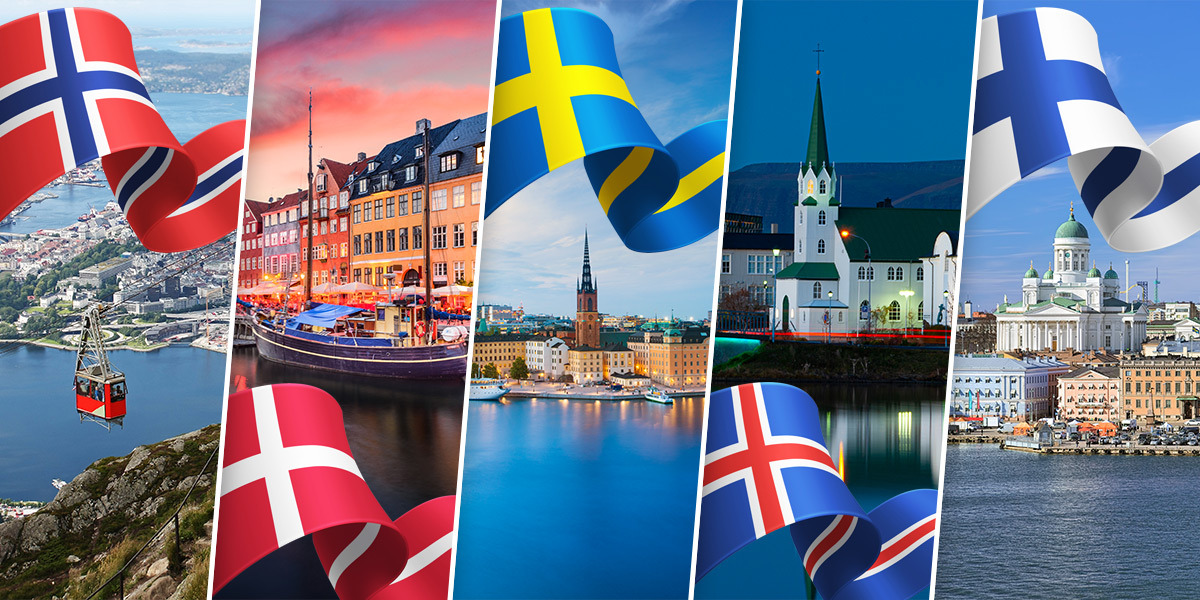
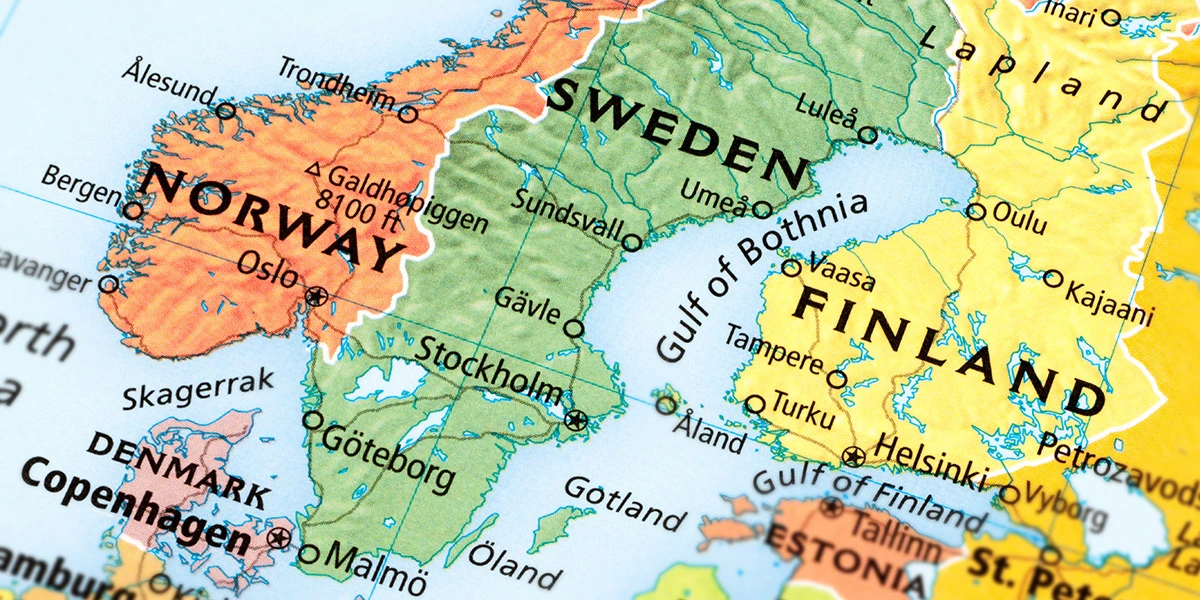
From Finland and Sweden to Denmark, Norway and Iceland, instantly recognisable names include global-scale franchises like Minecraft, Candy Crush Saga, Clash of Clans, Angry Birds, Subway Surfers and Battlefield, as well as critically acclaimed and influential studios and IP from Remedy, IO Interactive, Paradox, CCP and Housemarque. And there’s a new generation of success stories such as Embark, Landfall and Semiwork continuing the same strong tradition today.
“The Nordic countries represent less than 0.4% of the world's population, yet they have produced some of the games industry's most recognisable companies and franchises.”
Each individual country’s market is too small to support sustainable games business by targeting only domestic players, so companies in this region have long targeted international audiences.
That means that local companies started by thinking globally and building games designed for international communities, platforms and markets. The Nordics have long been ahead of much of the games industry from other territories that are looking to catch up in 2026.
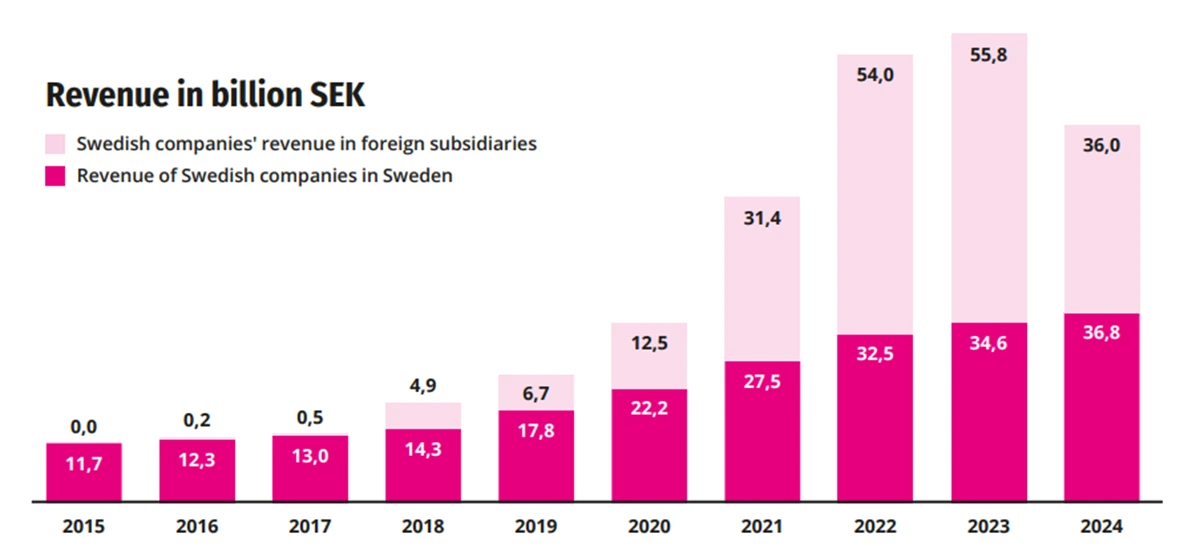
Swedish trade association Dataspelsbranschen’s Swedish Games Industry 2025 report found that in 2024, Swedish games companies increased their revenue by 6.4% to SEK 36.8 billion.
Over two decades, that figure marks 7,500% growth. When adding revenue in 2024 from subsidiaries abroad, the number grows to SEK 73 billion.
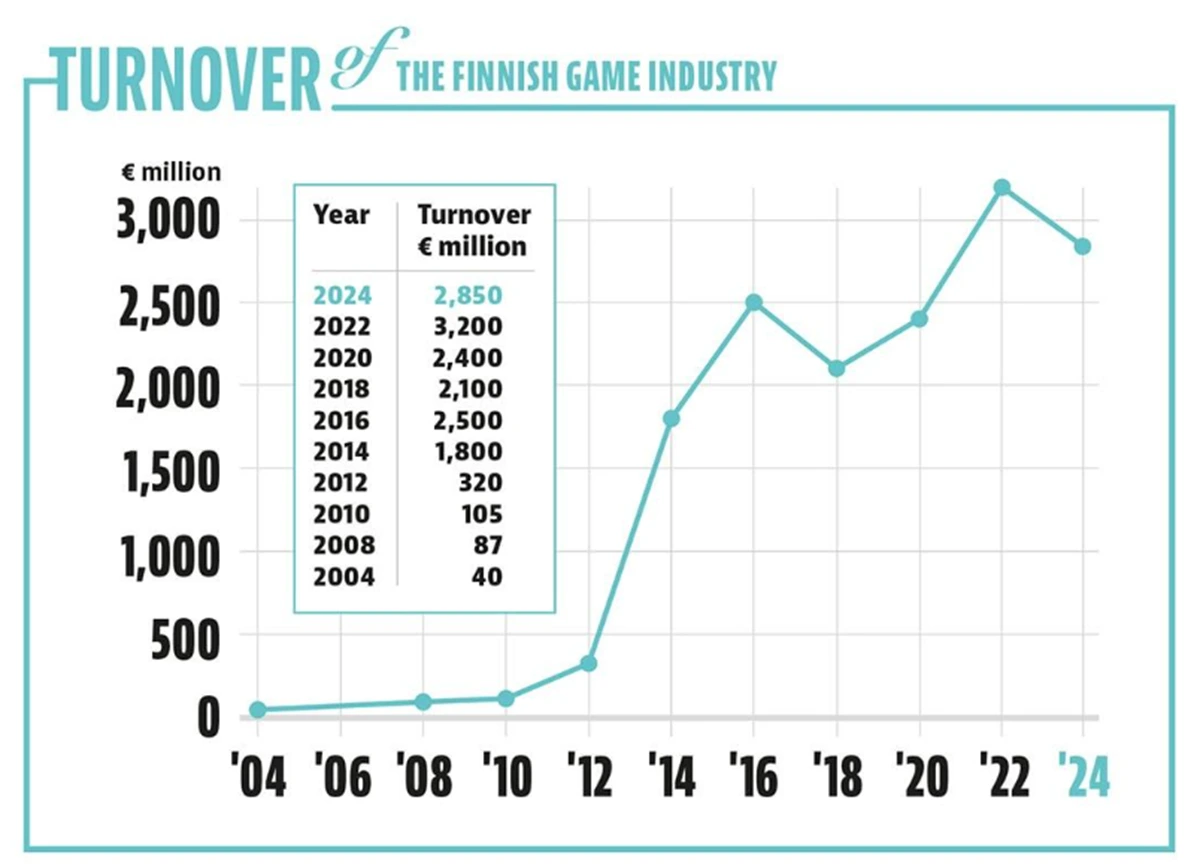
Finland has followed a similar trajectory. Neogames Finland reported that the Finnish games industry generated €2.85 billion ($3.3bn USD) in turnover in 2024, employed approximately 4,300 people and reached a record 270 active studios.
Why has the Nordic region become a games powerhouse?
The success of the Nordic games industry is built on decades of experience going back to the heyday of Nokia and early digital adoption leading to a talent pipeline of technically skilled users that continues today, supported by strong education systems and a culture of innovation.
“DESI has consistently ranked Nordic countries among Europe's strongest digital performers.”
The European Commission's Digital Economy and Society Index (DESI) has consistently ranked Nordic countries among Europe's strongest digital performers, particularly in connectivity, digital skills and technology adoption.
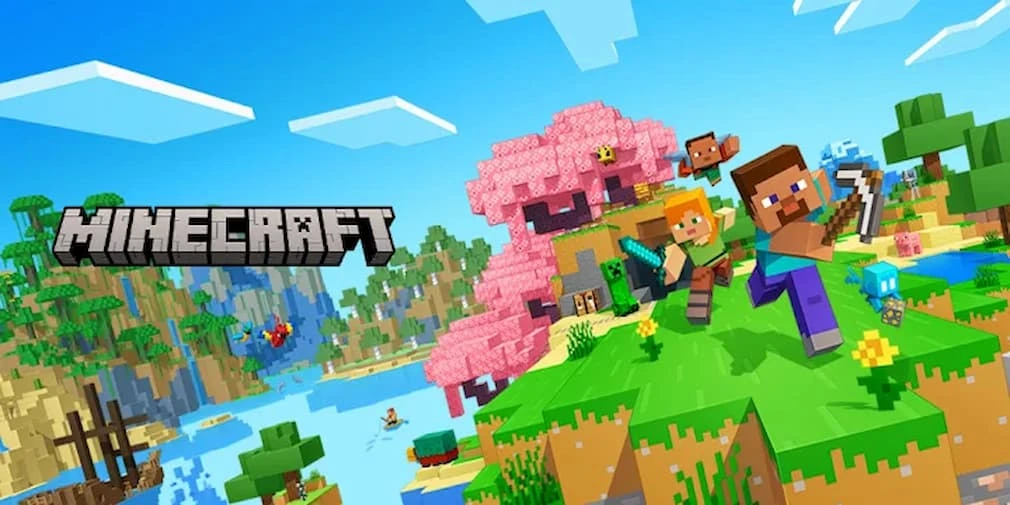
In terms of games, Minecraft has sold more than 350 million copies, making it the best-selling video game of all time, while Candy Crush Saga has generated billions of dollars in revenue and remains one of the most successful mobile games ever. Clash of Clans helped make Supercell one of Europe's most successful mobile developers and Fenris Creations' Eve Online has remained active for more than two decades.
The region’s strength doesn’t just lie in the number of successful titles it has produced, but rather in the depth of experience behind them.
Regional talent consistently looks to stay in the region, with experienced developers and producers going on to build the next generation of studios. The result isn’t just a collection of successful companies; it’s an ecosystem where knowledge, talent and capital continue to circulate.
That combination of experienced talent, entrepreneurial culture and global ambition makes the Nordics an increasingly important region for companies looking for partnerships, investment opportunities and industry expertise.
Global investors repeatedly back Nordic games
The Nordic games industry has consistently attracted investment and acquisition from some of the world's biggest technology and entertainment companies.
Perhaps the highest profile deal remains Tencent taking an 84.3% stake in Finnish developer Supercell in 2016. The $8.6 billion deal valued the Clash of Clans developer at approximately $10.2 billion, ranking among the largest acquisitions in games industry history.
“The Nordic games industry has consistently attracted investment and acquisition from some of the world's biggest technology and entertainment companies.”
Sweden has seen similar confidence from international investors. In 2014, Microsoft acquired Mojang, creator of Minecraft, for $2.5 billion. Two years later, Activision Blizzard purchased Stockholm-based King, developer of Candy Crush Saga, for $5.9 billion. Both deals remain among the largest video game acquisitions ever. Meanwhile, back in 2006, EA picked up Battlefield developer DICE for $24 million.
International interest has continued across the Nordics, with Sony Interactive Entertainment acquiring Finnish studio Housemarque in 2021, adding the Returnal developer to its PlayStation Studios portfolio. Sega Sammy acquired Finland's Rovio Entertainment, creator of Angry Birds, for €706 million ($775m USD) in 2023.
Dataspelsbranschen’s Swedish Games Industry Game Developer Index reflects a regional market that continues to enjoy overseas investment with a shift towards smaller, more selective deals.
From mobile pioneers to multi-platform innovators
The Nordic games industry as a whole has long been at the forefront of mobile games, with Finland in particular leading the charge. That’s why we chose it as the destination for our first event outside of London with PG Connects Helsinki in 2014.
Sensor Tower's State of Mobile report shows that mobile gaming remains a huge global business, with consumer spend reaching $81.75 billion last year - though growth was largely flat at 1.3% year-over-year.
“More than 70% of new Finnish games released in recent years targeting PC.”
Multiplatform releases are becoming more poular , with more than 70% of new Finnish games released in recent years targeting PC, according to Neogames. Such a high percentage highlights the adaptability and growing strength of the country's indie and premium development scene, as well as the challenges of mobile.
While the global market itself is becoming increasingly diverse, Newzoo's latest analysis highlights continued strength across PC, console and mobile in the region, with companies understanding different audiences, business models and player behaviours across platforms.
To reflect this activity, this year’s Pocket Gamer Connects Nordics broadens geographical borders as well as huge learning and networking opportunities across not only mobile, but also PC, console, XR and more.
Why international companies should look to the Nordics
The biggest opportunity in the Nordics isn’t just about finding the next hit game - although you might just do that, too - it’s finding the people who understand how to build, launch and scale games internationally.
“Finding the people who understand how to build, launch and scale games internationally.”
That’s something that more businesses in more territories are looking to do in 2026, so where better to learn and do business than in a regional ecosystem with a long track record of doing exactly that?
For today’s publishers, investors and service providers, the question is no longer simply where games are being created; it’s where the expertise exists to create sustainable success. And may we humbly suggest that the Nordics should be at the top of your list in 2026?
Helsinki: The meeting point for a global industry
The next generation of successful games won’t come from one country, one platform or one business model. It will come from talented teams, strong ecosystems and companies that can collaborate across borders. The Nordic countries have repeatedly demonstrated their ability to create both globally successful games and sustainable businesses.
“An efficient way to access one of Europe's most successful games ecosystems.”
Understanding a market requires more than research; it needs connections. The kind that you’ll make at PG Connects Nordics this October 20th and 21st - the clue’s in the name, after all.
For more than a decade, PG Connects has brought the global games industry to Helsinki. Today, as PG Connects Nordics, its ambition has expanded beyond one country to reflect the strength of an entire region. The venue may still be Helsinki, but this year’s conversations will span the whole of the Nordics.
For overseas visitors, the two-day event offers an efficient way to access one of Europe's most successful games ecosystems and meet developers, publishers, investors, platforms, technology providers and service companies from across the Nordic region in one location.
The region’s success has long prompted industry analysts to ask: ‘What do they put in the water over there?’ Isn’t it time to find out for yourself?
Tickets are on sale now from the official event website.
Companies

Events
