Why Dubai "can become much more than a regional gaming hub"

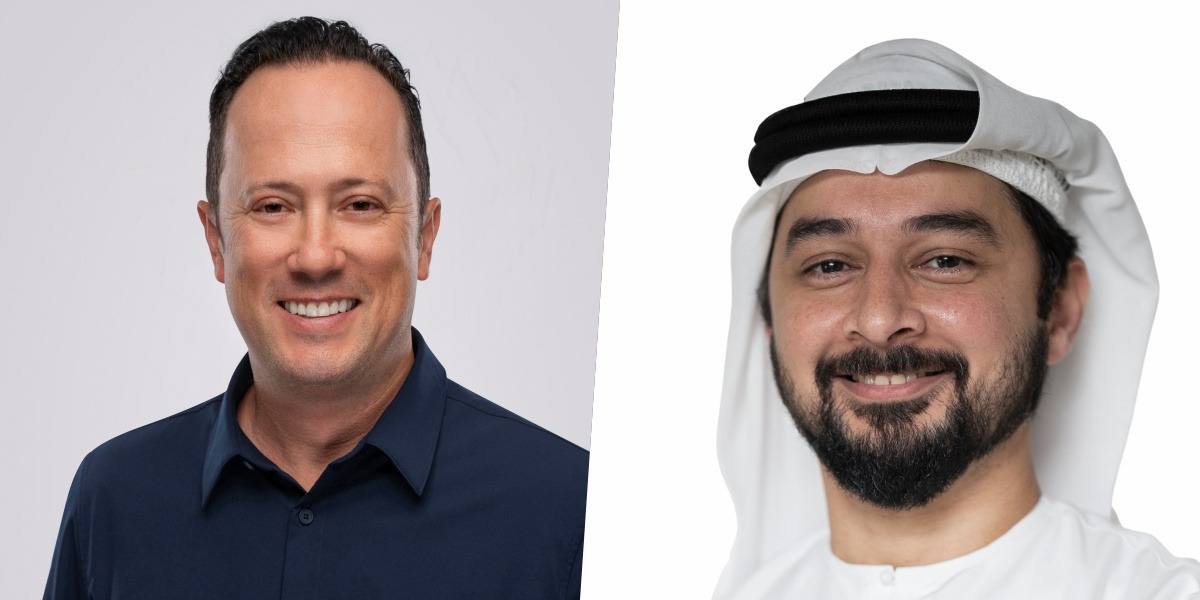
- Xsolla's Berkley Egenes believes the next phase of games industry growth could come from better monetisation rather than simply attracting more players.
- Dubai is looking beyond attracting international games companies to supporting local talent and the development of new IP.
The games industry across the MENA region is attracting increasing attention from international publishers, developers and investors - a region we've reported on extensively.
Dubai is among those looking to expand on its role within the games industry, with the Dubai Films and Games Commission (DFGC) working alongside companies such as Xsolla to connect local developers with international markets.
Beyond player growth
Competition in the games industry is fierce and as that intensifies, many studios are looking at ways to generate more value from their existing audiences.
For Berkley Egenes, chief marketing and growth officer at Xsolla, which has signed a strategic partnership to help connect local developers to global markets, that means reconsidering where the industry’s next phase of growth may come from.
"The industry may be underestimating how much video gaming’s next growth will come from better monetisation, not simply more players," Egenes tells PocketGamer.biz.
He points to direct-to-consumer, subscriptions and localised payments as opportunities for developers to strengthen their business, particularly in emerging markets where payment infrastructure and pricing can still be barriers.
Egenes also sees opportunities for established games to generate additional revenue by reaching new audiences through different platforms and regions, as well as introducing new content and building communities.
“The industry may be underestimating how much video gaming’s next growth will come from better monetisation, not simply more players.”Berkley Egenes
"The long tail of video games is hugely valuable: established titles can generate new revenue through new platforms, regions, content and communities. The future is less about selling a game once and more about building a sustainable ecosystem around every player."
DFGC games commissioner Faisal Kazim approaches growth from a different perspective, arguing that expanding the games industry requires more than attracting companies or increasing the number of people who play games.
"It is not enough to have a large player base or attract companies with incentives," he says. "You need every component of the entire ecosystem: the talent, infrastructure, capital, partnerships and communities that allow developers and studios to actually grow."

For Dubai, the ambition is to create an environment where local developers are able to establish careers, studios can expand and businesses can reach international markets.
Kazim also highlights gaming's potential social impact, with developing local talent and communities as part of Dubai’s longer-term plans.
Opportunities in the region
One challenge often cited in some emerging markets is how a different approach to payments is needed, with varying different payment options.
Egenes believes MENA's diversity means publishers need to think carefully about how they approach individual markets rather than applying the same strategy across the region.
"The region is incredibly diverse, so a one-size-fits-all monetisation model won’t work. Publishers need local pricing, Arabic-first experiences, and critically, payment methods that reflect how people actually pay."
Citing research from Niko Partners, Egenes notes that around 67% of the MENA-3 population is estimated to be underbanked or unbanked, while more than 53% of paying gamers have already made purchases through official game websites or web shops.
“I think the wider idea is that MENA needs to move from thinking about gaming primarily as a consumer market to thinking about it as an industry we can build and be part of.”Faisal Kazim
Local digital wallets, carrier billing and other alternative payment methods could then perhaps help publishers reach audiences that traditional payment options may not be serving.
But the opportunity is not limited to how international publishers monetise games in the region. For Kazim, the longer-term objective is to see more games developed locally and exported to global audiences.
"I think the wider idea is that MENA needs to move from thinking about gaming primarily as a consumer market to thinking about it as an industry we can build and be part of," he says.
Dubai’s location also offers opportunities for studios who are looking to establish connections and access MENA, Asia and other international markets. Kazim believes that a combination of local market knowledge and international access could help developers build businesses capable of competing well beyond the region.
"There is a growing pool of creative and technical talent in the region, and Dubai is increasingly becoming a meeting point between developers from MENA, Asia and international markets. That creates the potential for new IP and new types of games that can come from the region and reach global audiences."
Building a games industry in Dubai
Dubai has made a significant push to establish itself as a global games hub, having attracted international companies and investment while still working to develop its own domestic industry.
However, both Egenes and Kazim argue that incentives alone will not be enough to encourage studios to establish a lasting presence.
"Dubai has already solved one part of the equation: making it attractive to arrive. The next phase is creating opportunities for growth," Egenes says.
"For international video game studios, this means going beyond incentives and building the ecosystem around them: deep pools of specialised talent, strong links to global publishers and investors, clear and predictable regulation, and access to regional and international markets."

Developing connections will require investment in areas such as education and training, as well as opportunities for established companies and emerging studios to collaborate.
For Kazim, creating ways for people to enter the industry and progress into more senior positions is particularly important.
"What ultimately makes an ecosystem sustainable is talent. We need to create pathways for people to enter the industry, develop specialist skills and then progress into senior roles or start their own studios," he says.
"That means working with universities, training providers, studios and industry to create those opportunities."
“We also need to think about the ecosystem as a network rather than a collection of individual companies.”Faisal Kazim
Kazim points to accelerators and development programmes supporting early-stage teams, alongside the growing visibility of Dubai’s games industry events.
He notes that creating a more connected industry is essential if the region wants to retain talent and support the development of local businesses.
"We also need to think about the ecosystem as a network rather than a collection of individual companies. International studios should be able to come to Dubai and find local developers, creative talent, technology companies, publishers, investors and service providers around them."
The next phase of growth
Looking ahead, Egenes expects that the mobile games business across MENA and Asia will become more focused on aspects such as D2C, deeper localisation and the development of more sophisticated commercial strategies.
He also anticipates emerging markets playing a greater role in shaping the global industry, rather than simply serving as additional territories for established publishers.
Xsolla points to Niko Partners’ forecast that MENA and Asia combined could surpass $100 billion in games revenue by 2030.
"I think the winners will be publishers that treat these regions as long-term ecosystems, not just growth territories," Egenes says.
For Kazim, the potential extends beyond the games industry itself.
“I think the winners will be publishers that treat these regions as long-term ecosystems, not just growth territories.”Berkley Egenes
He sees opportunities for games development to create jobs and skills across technology, art, design, writing, marketing and other creative fields, while helping more people to establish careers and businesses in the region.
That means Dubai’s success could depend not just on the international companies it is able to attract, but also on the local studios, talent and intellectual properties that may emerge.
"If Dubai can connect that local talent and creativity with the markets of MENA, Asia and the rest of the world, then it can become much more than a regional gaming hub," Kazim concludes.
"It can become a place where video games are created, businesses are built, communities are formed and creative work is exported globally."
Pocket Gamer Connects will return to Dubai on April 14th and 15th, 2027. Stay tuned for details. In the meantime, you can also join our other events, such as PGC London on January 18th and 19th.
Companies


People