Inside The Battle of Polytopia studio Midjiwan

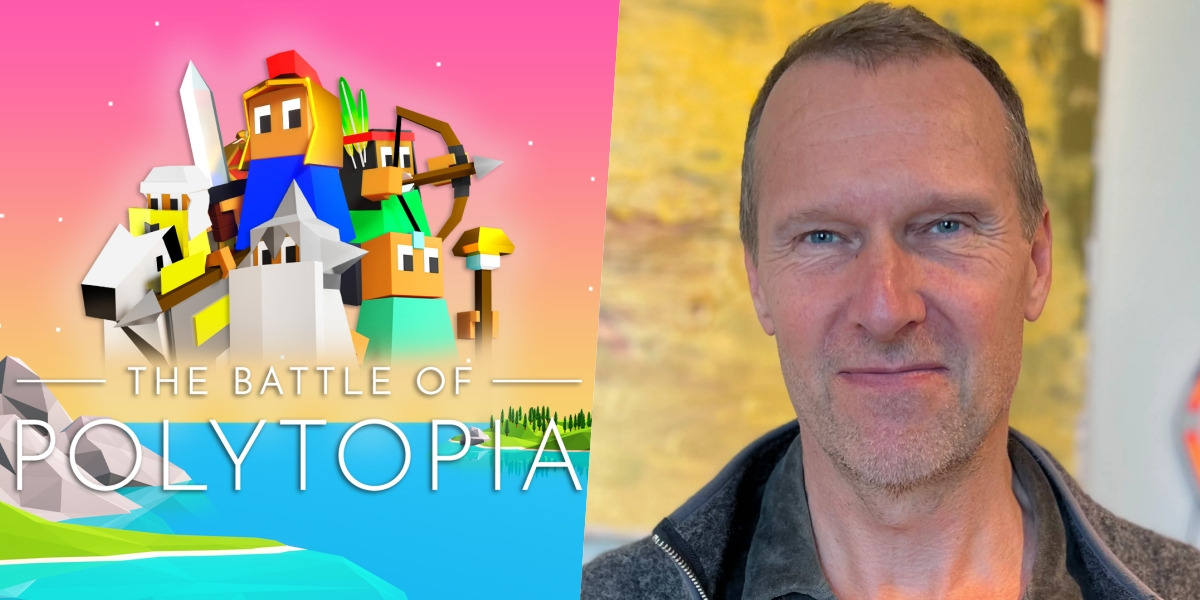
- Midjiwan CEO Christian Lövstedt says key factors for The Battle of Polytopia's appeal are a strong core gameplay loop that allows for replayability and the distinct low-poly graphic art style.
- The game has expanded with tournaments and a new physical card game.
- Midjiwan set up Game Town, a co-working space that brings small studios in Sweden together.
This article is part of our region report on the games industry in the Nordics, published in association with Xsolla, coming soon. Learn more about the games hubs in Finland, Sweden, Norway, Denmark and Iceland in-person at PGC Nordics 2026 on October 20th to 21st.
As many great games start out, The Battle of Polytopia began life as a passion project for Midjiwan studio founder Felix Ekenstam.
His goal was to design a strategy game for the mobile market that blended deep mechanics with simple gameplay featuring the platform’s typical ideals: easy to pick up and playable in short bursts. “He essentially built a game that he wanted to play,” Midjiwan CEO Christian Lövstedt tells PocketGamer.biz.
On top of that, the developer refrains from the traditional mobile free-to-play trappings and instead is built on the DLC model. So 10 years after it launched as the studio’s debut game in 2016, how has this 4X strategy game fared?
The Battle of Polytopia has surpassed 25 million downloads across mobile platforms and is now also available on PC, Mac and Nintendo Switch. The studio won the accolade for Best Indie Developer at the Pocket Gamer Mobile Games Awards 2024, as voted for by industry peers. The Battle of Polytopia also secured a nomination at the Mobile Games Awards 2025.
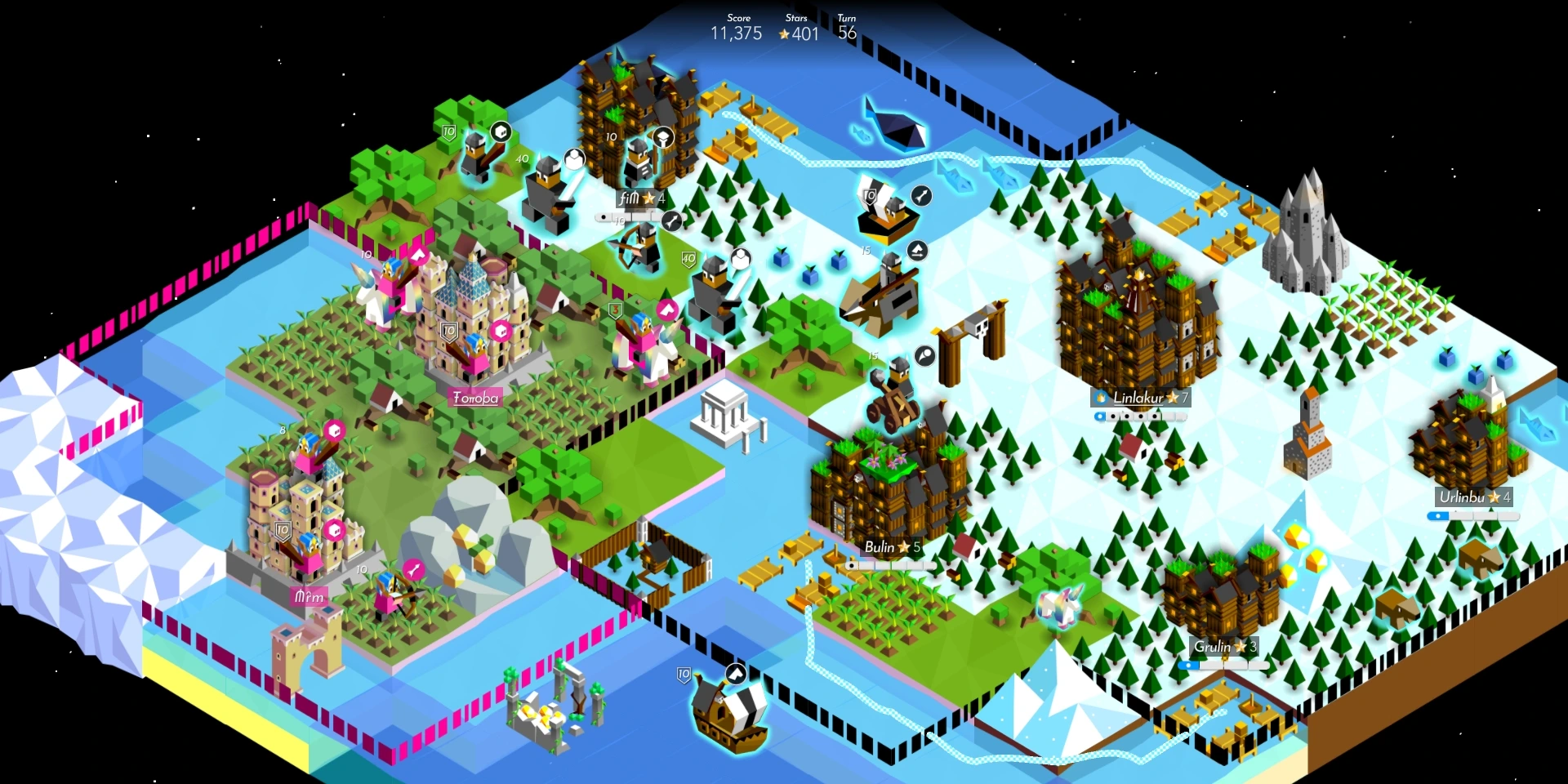
During its lifetime, the title has built up a community on both Discord and Reddit, and even has a global World Championship running for the second year in a row with a $10,000 prize pool.
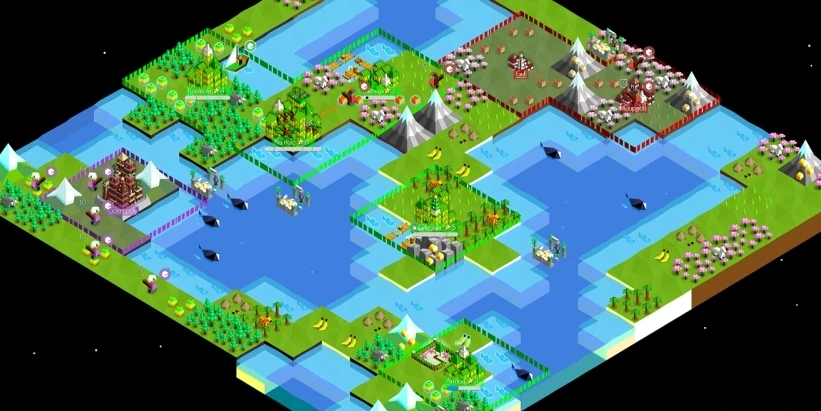
“I think the combination of a strong core gameplay loop that allows for endless replayability, along with the low-poly graphic art style which gives the game a personal look and feel, are the key factors,” says Lövstedt in response to what he thinks has driven the long-term success of the title.
“The price for entry into the game is also very welcoming to new players. On mobile, the game is free-to-play, without adverts and all of our profits come through DLC purchases and merch.”
Small team, big ambitions
Lövstedt admits a small team of just six full-time staff and a handful of freelancers has been lucky that its first game was a success. He says the studio has been able to take its time developing new features - in fact he’s previously said on average the team scraps 90% of its ideas.
“With continued strong growth, over 9,000 employees, and the third-highest turnover in Europe, Sweden's success is particularly impressive for a country of only 10 million people.”Christian Lövstedt
The team is currently working on new long-requested features such as a team mode and achievements. Previously only one player could win a game, so any alliances forged would have to be broken.
In an update arriving later this year, a new mode will allow multiple players who work together to win together - a game-changing feature for a decade old game. It has bigger plans outside of the mobile game, too.
“We are also working on a physical card game for The Battle of Polytopia,” says Lövstedt.
“Converting the mechanics of Polytopia into a new medium has been a fun challenge. We’ll have more to say on that project towards the end of this year.”
Lövstedt has been a vocal critic in the past of how some other mobile games monetise. In the past he’s labelled mobile monetisation as “routinely aggressive”.
And while he’s previously said the team at Midjwan believes mobile is the best gaming platform, the pockets of players don’t need to be picked. We ask if mobile still faces the same issues like forced ads or tough-to-earn in-game currencies creating negative experiences.
“I noticed that some mobile games now are marketing themselves as not having ads, which could be an indicator that marketers have noticed players are getting tired of in-game advertisements. In-game currencies and gacha monetisation systems are still dominating though, especially in the Asian markets.”
Export-focused
Now celebrating 10 years since the release of The Battle of Polytopia, the Midjiwan team have seen a lot of changes in Sweden’s games sector. Lövstedt says that, looking back, the country’s industry has transformed from a small niche into a recognised powerhouse.
“With continued strong growth, over 9,000 employees, and the third-highest turnover in Europe, its success is particularly impressive for a country of only 10 million people.”
“We have quickly established Game Town as the meeting hub for game developers in the Stockholm region.”Christian Lövstedt
On why, exactly, Sweden has become a hub for some of the world’s most successful games in the last year, he adds: “I think it is a combination of several factors: Having world-class game development education that attracts talent from all over the world, a strong engineering culture dating back many years, well-structured project disciplines with an open culture and flat organisations that encourage idea exchange and development.
“The Swedish games industry is also very export-focused, due to the small domestic market, so our games often have to think globally as most of our audience will be outside of the country.”
Lövstedt hopes that Sweden introduces some government-backed financing structure to help bridge new teams to the phase where they can attract venture capital or publisher funding. With layoffs at some bigger studios, he wants to see a better system of support for the industry to retain talent.
Working together
For its own part, Midjiwan has opened co-working space Game Town to support local indies. It’s based in Södermalm, an island in Stockholm that is also home to the likes of Paradox, DICE, Fatshark, Star Stable, Avalanche Studios and Epic Games. The space now houses 20+ companies.
“We started Game Town because we are a small studio and wanted to work in an environment with other game developers. There was no game developer-niched coworking space in Stockholm at the time, so we made our own.”
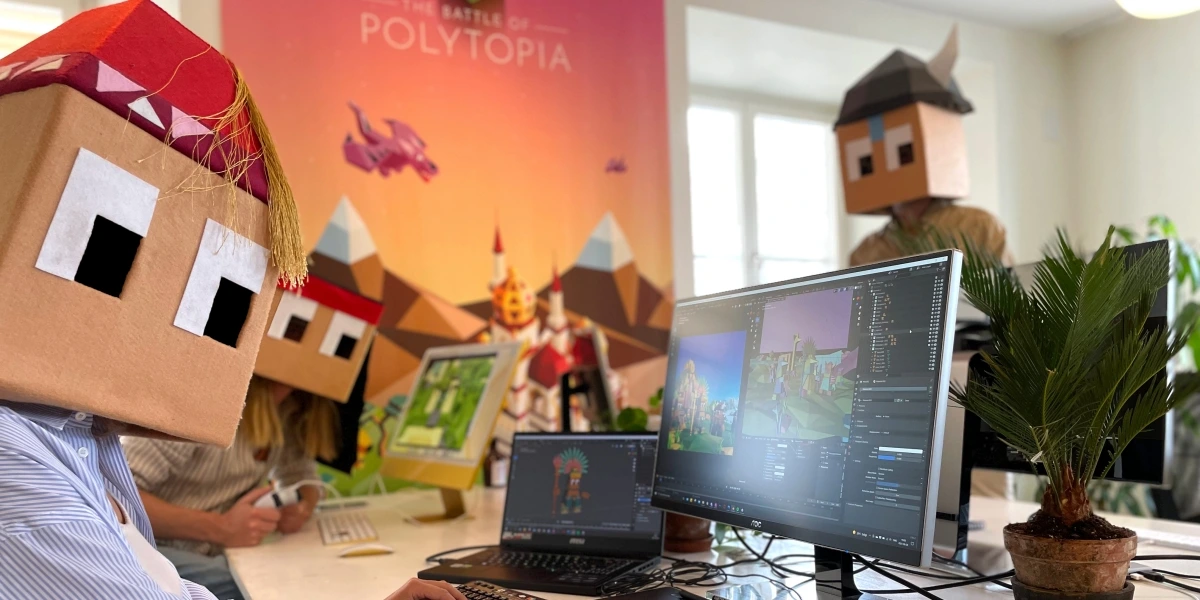
He adds: “It has turned out that our ambition to create a coworking environment with a culture where people share and exchange knowledge has worked really well, and there are already some hit games that have been created in that environment, such as Sulfur, Grand Mountain Adventure 2, and most recently Gamble With Your Friends, which sold 500k units during its first three days after launch.
“We have quickly established Game Town as the meeting hub for game developers in the Stockholm region. And it’s super fun. It’s the most stimulating office I have ever had the pleasure of working from.”
You can learn more about The Battle of Polytopia over at our sister-site PocketGamer.com.
Companies

People

Events
