Pokémon Go Fest, the National Trust and the value of exclusive regional campaigns

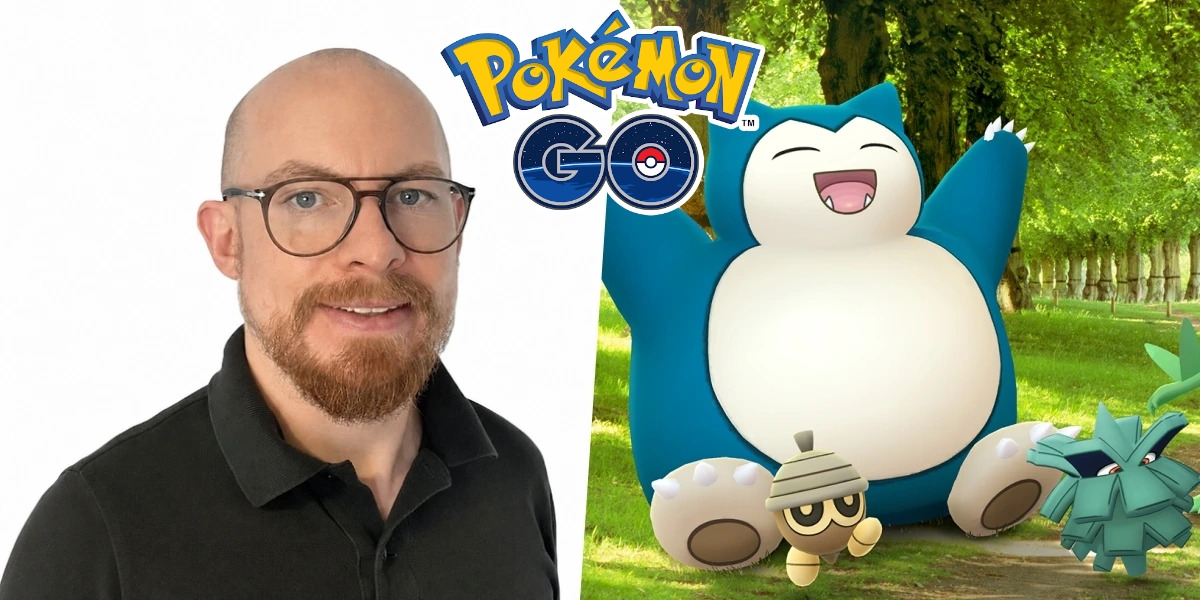
- Pokémon Go is running UK-specific campaigns this summer, such as Summer Quest and a partnership with the National Trust.
- Pokémon Go head of EMEA marketing Jack Wilcock reveals insights into partnerships, Go Fest 2026 and regional exclusivity choices.
Pokémon Go has been getting mobile gamers of all kinds outside for more than a decade.
From a world takeover in 2016, to navigating lockdown restrictions during the pandemic, to an evolution from Niantic to Scopely Explore, this geolocation giant has spurred 800 million players to walk more than 100 billion kilometres collectively, equivalent to 334 round trips between Earth and the sun.
Along the way, Pokémon Go has picked up billions of dollars in revenue and firmly established itself as one of mobile’s biggest success stories ever. And, in partnering with real-world brands and encouraging players to go exploring their local areas, it’s had a marked impact on businesses and economies too.
To learn more about the titan’s real-world events and partnerships, particularly in the UK, we speak with Pokémon Go head of EMEA marketing Jack Wilcock, who develops campaigns with local teams, Scopely and The Pokémon Company International.
“We consistently see strong engagement when we create experiences that are relevant to local communities.”Jack Wilcock
He explains that his day-to-day role hasn’t changed since Scopely acquired Niantic’s licensed titles, bought last year in a $3.5 billion deal that brought walking games Pokémon Go, Pikmin Bloom and Monster Hunter Now into its portfolio.
At the same time, he notes: "One of the strengths of being part of Scopely is having talented teams working across a range of games. Wherever possible we try to share findings with each other and learn from one another."
Going exploring in the UK
Wilcock has been working on Pokémon Go for around 1.5 years. He leads marketing across EMEA and develops campaigns in the region, from live events and brand partnerships to PR, social media and creator campaigns.
In the UK, he has been focused on events taking place surrounding the game’s 10th anniversary, including a recent partnership formed between Pokémon Go and the National Trust. This arrangement has brought special activities and new PokéStops and Gyms to National Trust sites across England, Wales and Northern Ireland.
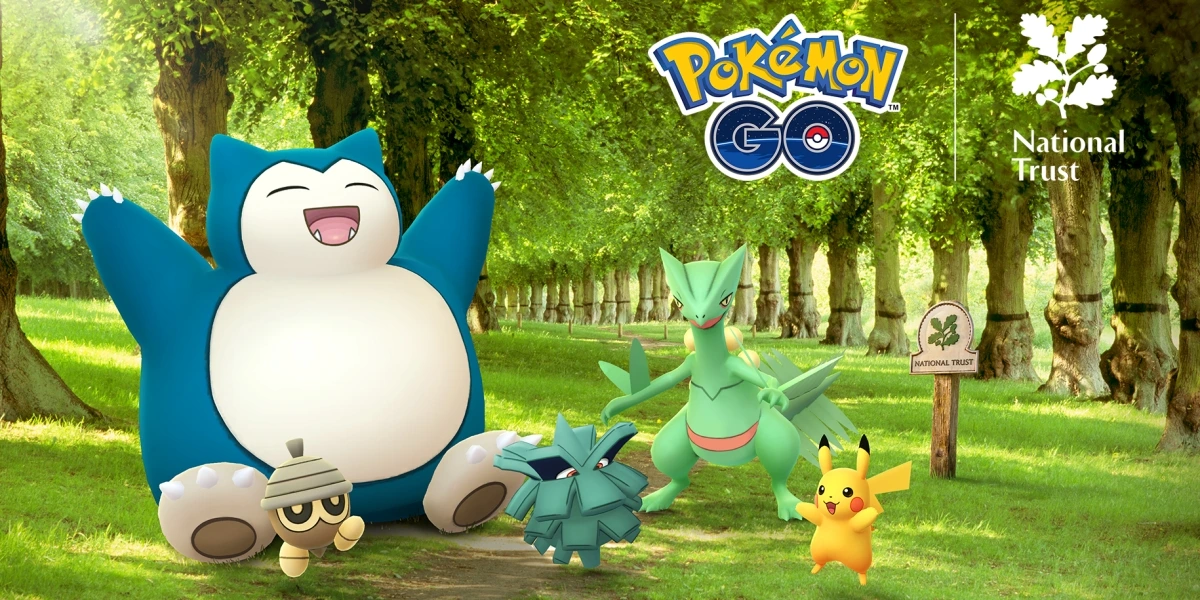
More than 140 sites are participating, and fitting the wilderness theme, Pokémon found in Raids at these Gyms are predominantly Grass Type. They vary by location, such as Hoppip in London and Seedot in Wales.
Exclusive, limited-time missions are available as Timed Research by visiting participating locations, with completion rewards including Grass Pokémon Treecko and its evolutions.
"Launching campaigns like these is a full cross-functional effort. It starts with identifying a partner or concept that naturally aligns with Pokémon Go's focus on real-world exploration and getting people outdoors," Wilcock explains.
"Close collaboration with The Pokémon Company International is integral to this in order to align on the gameplay, marketing and creative approach."
“Ultimately, we're looking for locations where we can create a memorable event that brings the Pokémon Go community together and showcases everything that makes the game special.”Jack Wilcock
He adds that this particular partnership represents one layer of the National Trust’s Summer of Play campaign, aiming to help Brits and tourists discover some of the UK’s most impressive natural landscapes and historic locations. There is also a wider partnership ongoing between The Pokémon Company International and the National Trust.
Initially, Go’s partnership was intended to run as a summer event from July 18th to September 6th, but the campaign has now been extended until December 31st, 2026.
"It's a partnership that makes perfect sense," says Wilcock.
It’s also overlapping with another UK-exclusive Go event called Summer Quest, likewise offering exclusive Timed Research as well as local rewards to players specifically around Shoreditch, London. By opening Pokémon Go in the area during the first two weekends of August, players could automatically unlock limited-time quests which they have until August 31st to complete.
By playing on the activation weekends and completing the first stage of the local Timed Research, they could redeem a free coffee from a Pokémon Go pop-up coffee station at The Green at Boxpark. Organisers also arranged creator meet-and-greets in Shoreditch.
“Exclusive local events give players a reason to come together in person and explore their environment, which is what Pokémon Go is all about.”Jack Wilcock
Furthermore, players who complete the challenges by the end of the month are eligible for an Instagram photo contest with a chance to win a trip to Japan or Go Fest 2027. Wilcock notes that bringing Summer Quest to life has required the collaborative efforts of people across game design, social, community, marketing and PR.
"It’s a lengthy process but seeing players out enjoying these events makes it incredibly rewarding," he says.
"We consistently see strong engagement when we create experiences that are relevant to local communities. Exclusive local events give players a reason to come together in person and explore their environment, which is what Pokémon Go is all about."
Around the world for Go Fest 2026
Beyond the UK, annual Go Fests also emerge in different parts of the world each summer, encouraging local players to buy tickets and spurring the most hardcore of fans to fly internationally. This year’s campaign took place in Tokyo, Chicago and Copenhagen, with ticket holders having received four sets of Timed Research to take on.
Completing multiple sets of missions required traversing one of those three cities, broken into districts from a gameplay perspective. On top of in-game rewards, Trainers who completed local missions in at least two districts could earn a commemorative Pokémon Go Expert medal.
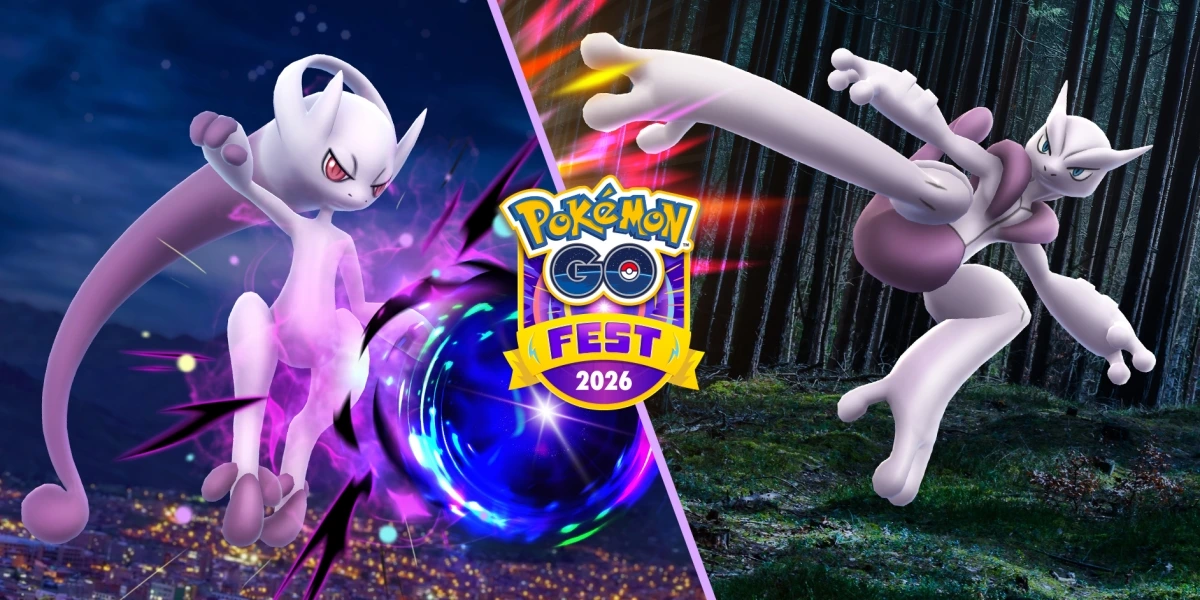
We ask Wilcock how the Go team goes about deciding where to host Go Fest and what the process looks like each year.
He answers: "For events the size of Pokémon Go Fest, a lot of considerations need to go into the city we choose. We look at a range of factors, including whether a city can deliver a great player experience, accessibility for visitors, the suitability of the venue and local infrastructure.
"Ultimately, we're looking for locations where we can create a memorable event that brings the Pokémon Go community together and showcases everything that makes the game special."
These city-based celebrations are typically followed by a global iteration, Go Fest: Global, granting all players access to the major in-game content from the event albeit without the same scale of community or localised requirements.
For example, content like the Lego Play Zone was exclusive to Go Fest in Copenhagen, with an official Lego collaboration bringing exclusive hands-on activities and a themed stamp rally in-game. This content wasn’t replicated globally.
On the other hand, Go Fest 2026 introduced Mythical Pokémon Zeraora to Pokémon Go for the first time. Ticket holders who attended one of the three city events had earlier access to the Pokémon, but it has become available to all players since via Go Fest: Global.

To celebrate the 10th anniversary of Pokémon Go, this was also the first free iteration of Go Fest: Global. Its content, missions, Raids and most diverse variety of Pokémon species ever observed in the wild were made available to all without needing to buy a ticket.
According to AppMagic estimates, despite missing out on ticket sales this free event actually helped Go earn its highest monthly revenue in at least four years, likely a result of the unprecedented accessibility.
After all, the event was free to access, but limited-time celebratory bundles weren’t, and the diversity of Pokémon may have prompted players to purchase more Poké Balls and expand their in-game storage.
Furthermore, the range of Legendary Raids available far exceeded the number of Raid Passes a free-to-play Trainer can possess.
“Fan reception so far has been great and we have lots more planned throughout the year to keep that momentum going.”Jack Wilcock
We ask for Wilcock’s reflection on Go Fest: Global this year and whether its success means it will remain free to access in the future.
"We saw great engagement with Pokémon Go Fest: Global being a free event for the first time this year, and it was a decision we made to celebrate our Trainers for playing for so many years and celebrate Pokémon Go’s 10-year anniversary together," he answers.
"I can’t speak to any future plans."
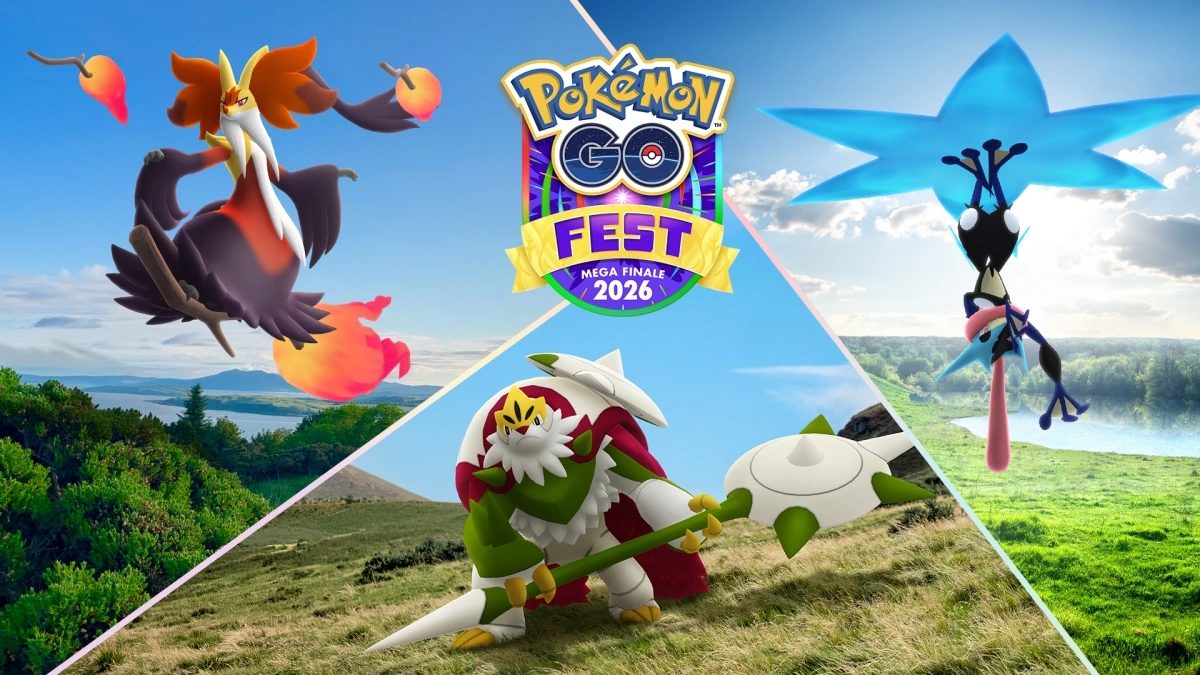
He adds that Go Fests and other events have long "planning cycles". Discussions around the 10th anniversary were already taking place last year, for example.
A decade in the making
Go Fest, Summer Quest and the National Trust collaboration have all displayed Pokémon Go’s focus on specialised content and regional uniqueness in 2026, but this isn’t a new aspect of the 10-year-old title.
Go Fests have been running since 2017, and even further back, Pokémon Go has featured region-locked species since launch. Farfetch’d in East Asia, Tauros in North America - it’s a trend that’s always been here, emulating the real world and replicating our own animals’ diversity.
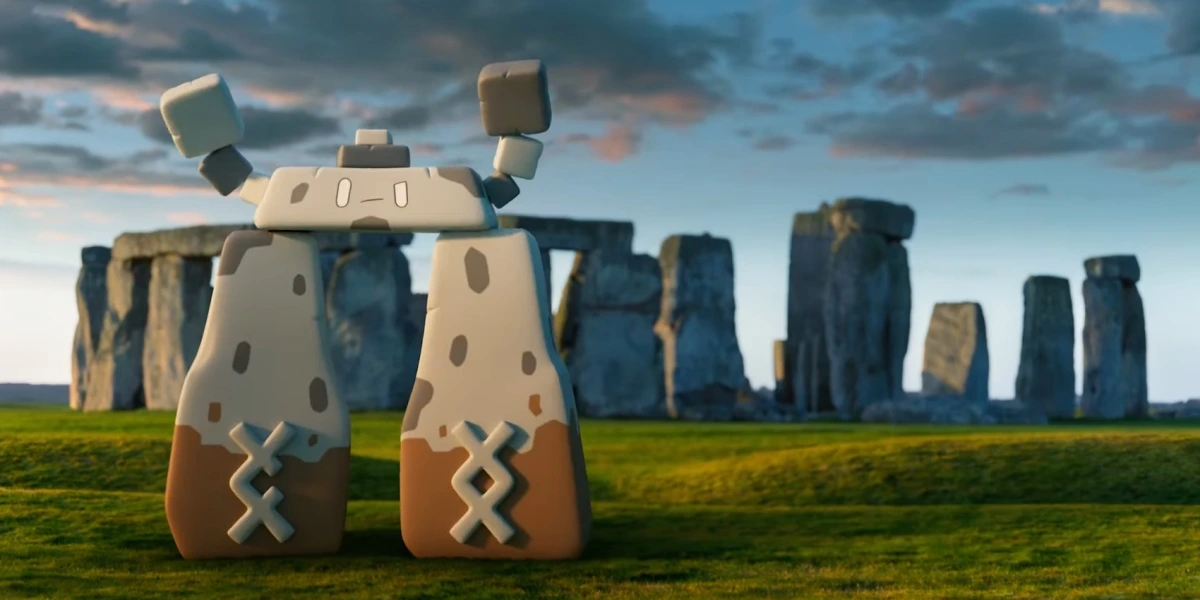
This conscious effort has continued over the decade, with a more recent example being Stonehenge-inspired Stonjourner’s release exclusively in the UK.
It makes Go a slightly different experience for players depending on where they are in the world - more realistic for some, but equally restrictive for collectors. On that basis, we ask Wilcock about this design aspect.
"The specific design decisions are made by the game development team, so I can't really speak to the process behind individual features. What I can say is that regional Pokémon have become a really distinctive part of the Pokémon Go experience, and it’s great to see people from other countries trading with each other at our big live events like Pokémon Go Fest," he answers.
Finally, looking to the future of Pokémon Go, Wilcock shares that "creating great experiences for our Trainers" remains his focus. Entering its second decade, there’s no great constant chase to recreate Pokémon Go’s 2016 cultural moment, but rather an enduring focus on offering new reasons to get outside, connect with people and explore.
"Whether that's through live events, local partnerships, new gameplay or community experiences, we're always looking for ways to bring people together in the real world," says Wilcock.
"Fan reception so far has been great and we have lots more planned throughout the year to keep that momentum going."
During Pokémon Go’s 10th anniversary this July, we interviewed community ambassador Jupiter Hadley about player engagement, seasonality and the types of players it attracts today.
Companies

People